
Trump Approves Russian Fuel Deal Amidst Sanctions Row
Translated & summarized from Ice by baba
U.S. President Donald Trump has authorized a temporary suspension of sanctions on Russian diesel imports until April 7, allowing Russia to supply over 300,000 tons of fuel to the U.S. market. This move aims to combat soaring domestic diesel prices, which have risen 70% due to the conflict with Iran. The deal, valued at up to $3 billion, has faced criticism from Ukraine's president and some U.S. lawmakers, who question its effectiveness and fear it will fund Russia's war efforts.
The story in 6 lines · by baba
- The U.S. has temporarily suspended sanctions on Russian diesel imports until April 7 to address rising domestic fuel prices.
- The deal allows Russia to supply over 300,000 tons of diesel fuel, with potential for much larger future shipments.
- U.S. diesel prices have surged 70% since the conflict with Iran began, reaching $6.28 per gallon.
- Ukrainian President Volodymyr Zelensky criticized the deal, warning it would fund Russian aggression.
- Analysts express skepticism about the deal's ability to cause a sustained drop in fuel prices.
- The decision highlights a conflict between U.S. election-year energy policy and sanctions against Russia.
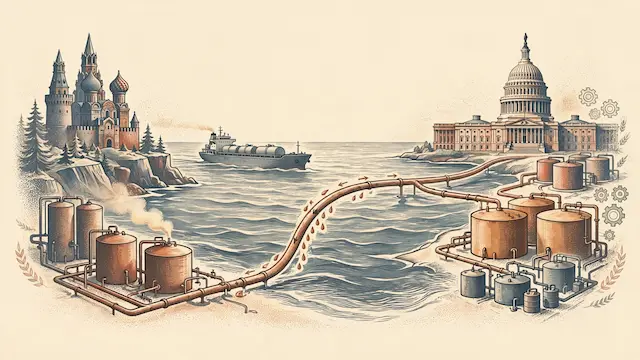
U.S. President Donald Trump announced an agreement with Russia to supply diesel fuel to global markets, temporarily suspending U.S. sanctions on Russian fuel imports until April 7. The move aims to alleviate pressure on the energy market following a sharp rise in U.S. diesel prices, attributed to the conflict between the U.S. and Israel and Iran, which began on February 28. This decision has drawn sharp criticism from Ukraine's president and U.S. lawmakers, with analysts expressing skepticism about its ability to achieve a sustained price decrease.
According to Reuters, the U.S. Treasury Department issued a license permitting Russian diesel imports until April 7, temporarily lifting sanctions originally imposed in October 2025 due to the war in Ukraine. Under the deal, Russia is expected to immediately supply over 300,000 metric tons of diesel, approximately 2.25 million barrels. Further supplies of about 500,000 tons are planned for November, with an additional million tons later. Future supply volumes will depend on factors like the condition of Russian refineries, which have been affected by Ukrainian attacks. In total, approximately 1.8 million tons of diesel, or about 13.5 million barrels, are slated for delivery, with an estimated market value of $2.5 to $3 billion.
The decision comes amid increasing strain on the U.S. energy market. Diesel prices have surged approximately 70% since the conflict with Iran began, reaching a high of $6.28 per gallon in the U.S. The increase in fuel costs, impacting goods transportation and industrial and agricultural operations, could exacerbate inflationary pressures on consumers and businesses. This price hike presents a political challenge for the Republican Party ahead of the November 3 midterm elections, where they aim to maintain their narrow majority.
Previous measures by the Trump administration, including releasing emergency reserves and permitting the use of red diesel for agriculture, failed to significantly lower prices. Markets reacted to the announcement with a roughly 5% drop in diesel futures prices, settling at $4.64 per gallon, equivalent to about $195 per barrel. However, analysts doubt the deal's long-term effectiveness, with some deeming it insignificant due to the planned fuel quantities being considerably less than Russia's usual export volume.
Ukraine also reacted with anger. President Volodymyr Zelensky called it a "weak decision by strong partners" and warned that Russia would use the fuel revenues to fund further terrorist activities. In the U.S., criticism also came from within the Republican party, with Congressman Don Bacon urging tighter sanctions on Russian President Vladimir Putin's war machine rather than providing him with additional funds. The decision highlights the tension between the U.S. administration's efforts to lower energy prices for consumers before the elections and its policy of applying economic pressure on Moscow following the war in Ukraine. It remains unclear if the increased diesel supply will be sufficient for a significant and sustained price reduction.
Mentioned
The same event, reported separately by each outlet. Open a few to compare what different newsrooms emphasize — and what they leave out.
Centre 1Other 1
