
US and Israel Hold "Intensive" Talks on Potential War with Iran
Translated & summarized from Arab48 by baba
The U.S. and Israel are holding "intensive talks" about potentially resuming military action against Iran, including discussions between President Donald Trump and Prime Minister Benjamin Netanyahu. While no final decision has been made, the Israeli military is preparing for various scenarios. Despite President Trump's statements that the U.S. will not attack Iran before the upcoming midterm elections, U.S. defense plans reportedly include a potential three-day military campaign targeting Iranian missile and drone capabilities.
The story in 5 lines · by baba
- U.S. President Donald Trump and Israeli PM Benjamin Netanyahu have held "urgent talks" on resuming conflict with Iran.
- The Israeli military is preparing for three potential scenarios regarding Iran, including independent or joint U.S. action.
- Israel will not initiate an attack on Iran before the Knesset elections on October 27.
- Despite Trump's statements, U.S. defense plans reportedly include a potential three-day military campaign against Iran.
- Iran has maintained its missile and drone factories despite previous U.S. and Israeli strikes, according to reports.
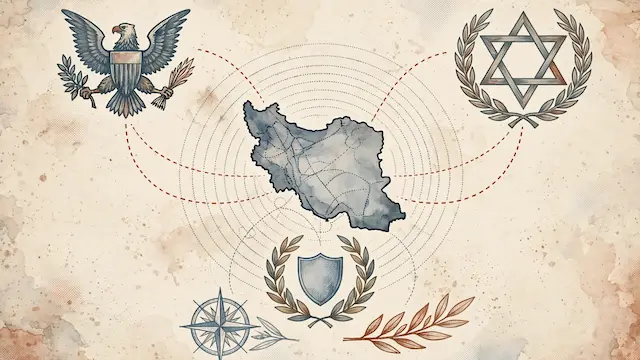
The United States and Israel are engaged in "intensive talks," including direct discussions between U.S. President Donald Trump and Israeli Prime Minister Benjamin Netanyahu, concerning the possibility of resuming hostilities with Iran. These urgent discussions have taken place over recent weeks, according to Israeli Channel 13, citing a senior security official. However, Israeli security officials indicated that no final decision has been made, with one suggesting Netanyahu expressed reluctance to act before upcoming elections. The Israeli military is preparing for three scenarios: an independent operation, a joint operation with the U.S., or responding to missile launches from Iran, as reported by Channel 13.
Channel 12 reported that Tel Aviv will not initiate an attack on Iran before the Knesset elections scheduled for October 27. These developments follow a Bloomberg report stating that despite months of U.S. and Israeli strikes, Iran has maintained its missile and drone factories, enabling it to replenish its arsenal. Senior officials familiar with the matter noted that Tehran still possesses ballistic and anti-ship missiles and can rapidly increase its stock, with Russia reportedly supplying additional missiles. These assessments contrast with statements from Trump and his associates, who claimed that eight months of attacks had halted Iran's ability to threaten U.S. bases and allies in the region. Trump himself stated on Thursday that the U.S. does not intend to attack Iran before the midterm elections next month.
Meanwhile, the Israeli military believes the U.S. will eventually seek to resume conflict with Iran and is preparing for potential Iranian retaliation, including a possible attack on the eve of elections. Despite Trump's public statements against striking before the midterms, plans developed by the U.S. security establishment suggest a different course. U.S. officials told The New York Times that three aircraft carriers are heading to the Middle East, and the Pentagon has drafted plans for a three-day military campaign against Iran, targeting drone and missile stockpiles, energy facilities, and military sites. Five proposals for attacks on Iran and the Houthis in Yemen were presented to Trump, but he rejected them all. Trump also described ongoing talks with Iran as "fruitful" but emphasized that sanctions would remain, stating, "We will not attack it before the November midterm elections." He asserted that Iran is in a "very bad situation, economically and militarily," and that oil is flowing through the Strait of Hormuz in record quantities, with none originating from or going to Iran.
Trump's clarification came after an NBC report about a security meeting to discuss options against Iran, including potential strikes before the midterms. U.S. officials confirmed that Trump's national security team discussed strategy toward Iran and the Houthis, but no decisions were made.
Mentioned
The same event, reported separately by each outlet. Open a few to compare what different newsrooms emphasize — and what they leave out.
Centre 1Arab 1
