Author Argues State Inquiry Essential for Victory, Criticizes Netanyahu
Translated & summarized from Maariv by baba
An opinion piece argues that a state commission of inquiry is crucial for Israel's victory after the October 7th attacks and the ensuing war, criticizing Prime Minister Benjamin Netanyahu for allegedly blocking such an investigation. The author highlights the profound intergenerational trauma and the need for societal support for those dealing with the aftermath. The piece also notes the ongoing threat of disinformation campaigns.
The story in 6 lines · by baba
- A state commission of inquiry is essential for Israel to achieve victory, according to the author.
- The author criticizes Prime Minister Benjamin Netanyahu for allegedly blocking a state inquiry.
- The events of October 7th have caused intergenerational trauma comparable to the Holocaust.
- Many military and security officials have resigned, but the political leadership remains.
- The article emphasizes the need for societal support for those dealing with the trauma of the attacks.
- Disinformation campaigns pose a significant and critical threat, with domestic origins suspected.
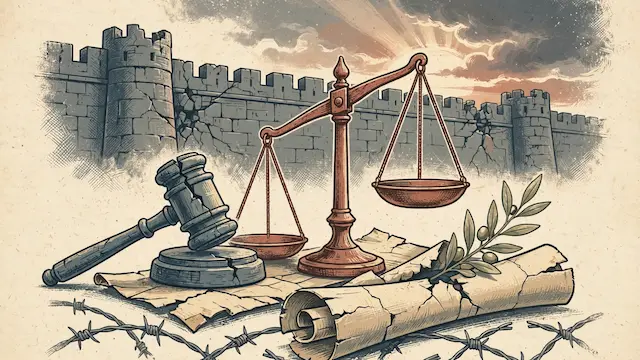
A commentary piece argues that without a comprehensive state inquiry, Israel cannot achieve victory following the events of October 7th and the subsequent war. The author contends that the trauma of the attacks and the ongoing conflict have created an intergenerational trauma, comparing its scale to the Holocaust. The piece criticizes the government, military, and security services for their perceived failures, while praising the bravery of soldiers and civilians who fought against overwhelming odds.
The author specifically targets Prime Minister Benjamin Netanyahu, suggesting he has reasons to block a state commission of inquiry. The piece contrasts Netanyahu's past statements about military and security officials needing to resign with his own continued tenure, despite leading the country during what is described as its greatest disaster. It notes that while many military and security leaders have departed, the political echelon remains in place, seeking renewed public trust.
The article also highlights the immense psychological toll on those involved in identifying victims and dealing with the aftermath, including military chaplains, burial society workers, paramedics, and survivors. It emphasizes the need for broad societal support for these individuals, suggesting that state institutions may struggle to cope alone. The author references a book by reserve Colonel Avner Cohen, describing it as a national and moral document detailing the heroic efforts of individuals who worked under impossible conditions to identify bodies and ensure proper burials, while themselves carrying the heavy burden of the horrific sights and smells.
Additionally, the piece touches upon the critical threat of fake news and disinformation, suggesting that while some originates from foreign actors, a significant portion may be domestically generated through proxies. It mentions that technology and cyber experts are on high alert, having prepared numerous scenarios and response plans.
Mentioned