Rabies Alert Issued After Infected Jackal Found Near Beit Alfa
Translated & summarized from 0404 by baba
An infected jackal was found near Kibbutz Beit Alfa in northern Israel, prompting an urgent rabies alert from the Ministry of Health. Health officials are conducting an epidemiological investigation to identify anyone or any animals that may have had contact with the infected animal between September 24 and October 7, 2026. Individuals who had contact are urged to seek immediate medical attention, as timely preventive treatment can be life-saving. The Ministry is also advising pet owners and parents to be vigilant and consult with health professionals or veterinarians if their animals or children may have been exposed.
The story in 6 lines · by baba
- An infected jackal was discovered near Kibbutz Beit Alfa, triggering a rabies alert from the Ministry of Health.
- An epidemiological investigation is underway to identify potential human and animal contacts with the infected jackal.
- Individuals who had contact with the jackal or stray animals between September 24 and October 7, 2026, must seek immediate medical attention.
- Rabies is a dangerous viral disease, but timely preventive treatment can avert its development.
- Pet owners and parents are advised to consult veterinarians and health officials regarding potential exposures.
- The Ministry of Health is urging the public to report any relevant encounters to prevent further spread.
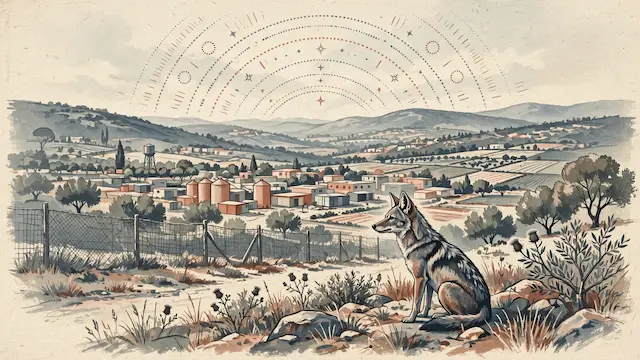
The Ministry of Health has issued an urgent warning after an infected jackal was discovered near Kibbutz Beit Alfa in the Harod Valley, northern Israel. The animal was found in an area frequented by residents, workers, and hikers, prompting an epidemiological investigation to determine if any people or other animals had contact with it. As of now, no human exposures have been reported, but the investigation is ongoing to rule out any unconfirmed contacts.
Rabies is described as an extremely dangerous viral disease, and even suspected exposure requires immediate medical attention. Prompt preventive treatment can avert the disease, making early detection of anyone at risk crucial. The Ministry urges anyone who came into contact with the infected jackal or any stray animal in the area between September 24 and October 7, 2026, to immediately contact the Ministry of Health office in Afula or their local health bureau. This includes instances where pets or other owned animals may have had contact.
The Ministry emphasized that simply visiting the area does not indicate exposure, but contact with an animal does. In cases of doubt, consulting health officials is recommended. The affected area, near the fish ponds and Harod Stream, is a natural habitat where encounters between humans, domestic animals, and wildlife can occur. Health officials are working to ensure everyone potentially exposed is aware and seeks guidance.
Rabies is a viral disease affecting the nervous system of mammals, including humans, and is typically transmitted through the saliva of an infected animal, usually via a bite. Scratches or contact of infected saliva with open wounds or mucous membranes can also lead to exposure. The disease has a long incubation period, and once clinical symptoms appear, it is almost always fatal. However, effective preventive treatment, which may include a series of vaccinations and sometimes antibodies, can be administered after potential exposure to prevent the disease from developing.
In case of a bite, scratch, or suspected saliva contact, the affected area should be immediately washed with soap and running water for 15 minutes, disinfected, and medical attention sought without delay. Even minor wounds warrant evaluation. Pet owners in the area are also advised to contact their local veterinarian if their animals may have encountered the infected jackal or other stray animals, to assess vaccination status and potential further treatment. Parents are urged to ask their children if they encountered any stray animals, as children may approach them out of curiosity without realizing the risks or the importance of reporting such encounters.
The same event, reported separately by each outlet. Open a few to compare what different newsrooms emphasize — and what they leave out.
Right 1Other 1

Not the same event — other stories that share this one’s people, places, or theme: background, reactions, and follow-ups.