US Sanctions 17 Tankers for Transporting Iranian Oil
Translated & summarized from Mignews by baba
The U.S. Treasury Department has sanctioned seventeen tankers for transporting Iranian oil, disrupting Iran's "shadow fleet" and halting key export operations. Approximately twenty million barrels of Iranian oil remain on tankers at sea, now also subject to sanctions. Israel is closely watching these economic pressures, as Iranian oil revenues fund regional allies. The U.S. will monitor efforts to evade the sanctions.
The story in 5 lines · by baba
- The U.S. Treasury sanctioned seventeen tankers for transporting Iranian oil, disrupting its "shadow fleet."
- Key Iranian oil export operations have completely stopped due to U.S. sanctions and maritime surveillance.
- Approximately twenty million barrels of Iranian oil are on tankers at sea, now also sanctioned.
- Israel is monitoring the economic pressure on Iran due to its funding of regional allies.
- The sanctions aim to cut off critical foreign currency income for the Iranian regime.
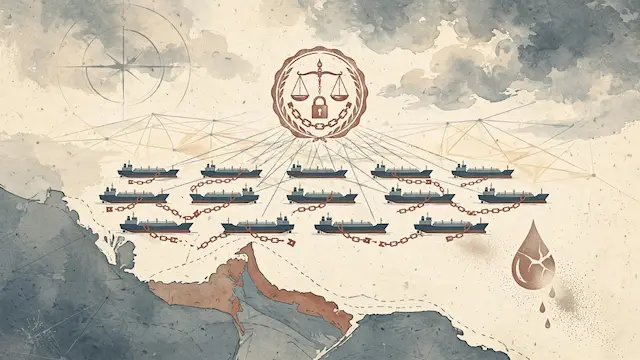
The U.S. Department of the Treasury has imposed significant sanctions on seventeen tankers involved in the transportation of Iranian crude oil, petroleum products, and petrochemicals. These measures are designed to disrupt the "shadow fleet" logistics that enable Iran to circumvent international sanctions and sell its energy resources abroad. The U.S. Treasury Department stated that these actions were coordinated against the owners and operators of these vessels.
Washington's new sanctions and increased maritime surveillance around Iran's coast have effectively halted key export operations. Loading of oil onto tankers and unloading of crude from arriving vessels have ceased at Iranian terminals. This de facto blockade of port infrastructure has cut off Iranian state companies from major export routes.
A senior U.S. Treasury official indicated that a limited amount of crude oil remains outside the U.S. blockade zone. U.S. analysts estimate approximately twenty million barrels of Iranian oil are currently on tankers at sea, and these vessels are now also barred from international markets by the new sanctions.
Jerusalem is closely monitoring the economic pressure on Iran, as hydrocarbon revenues are a primary source of funding for Tehran's regional allies, including Middle Eastern terrorist groups. The blacklisting of these seventeen tankers deprives the Iranian leadership of crucial foreign currency income. The U.S. administration plans to rigorously monitor any attempts by vessels to change flags or names to prevent further Iranian oil exports.
Mentioned
The same event, reported separately by each outlet. Open a few to compare what different newsrooms emphasize — and what they leave out.
Right 1Other 1