US Prepares for Possible Iran Conflict, Israeli Elections May Be Delayed
Translated & summarized from Mako by baba
Israel's Chief of Staff Eyal Zamir was informed of U.S. military preparations for a potential conflict with Iran in the coming weeks, warning it could delay Israeli elections. The Pentagon has ordered U.S. Central Command to finalize readiness for an offensive, which President Trump is considering before U.S. midterm elections. Trump stated the U.S. would not attack Iran before the November 3rd midterms, despite ongoing sanctions and "productive talks."
The story in 6 lines · by baba
- Israeli Chief of Staff Eyal Zamir briefed on US preparations for potential Iran conflict within three weeks.
- Zamir warned that renewed conflict could lead to postponement of Israeli elections due to expected Iranian retaliation.
- Pentagon ordered US Central Command to complete readiness for a potential offensive against Iran.
- President Trump is considering military action before US midterm elections but has not made a final decision.
- Trump stated the US will not attack Iran before the November 3rd midterm elections.
- The planned operation involves coordinated US-Israeli strikes on Iranian energy, infrastructure, and nuclear sites.
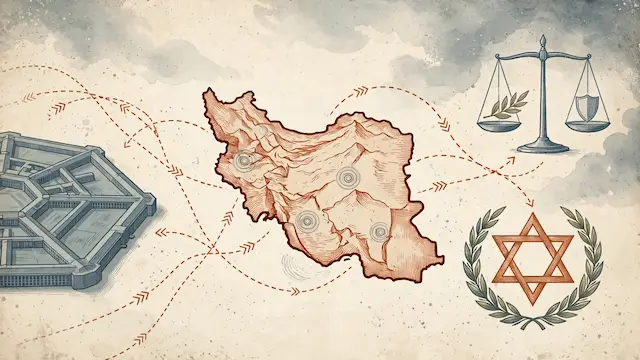
The Israeli Chief of Staff, Eyal Zamir, was briefed on the US military's preparations for a potential resumption of hostilities against Iran within the next three weeks. According to sources familiar with the conversation, Zamir warned that such a conflict could lead to the postponement of elections in Israel, given the assessment that Iran might retaliate with missile strikes against the Jewish state. The IDF declined to comment on the discussions between Zamir and his American counterparts.
Concurrently, the Pentagon has instructed U.S. Central Command to finalize its readiness for a renewed conflict with Iran. While no specific date for an offensive has been set, senior American officials indicated that President Donald Trump is considering initiating military action before the upcoming U.S. midterm elections and Israeli elections. A final decision is expected within seven to ten days, according to one official.
The planned U.S. operation, if launched, is intended to be a powerful yet relatively short engagement, involving massive strikes on Iran's energy, infrastructure, and nuclear facilities. This renewed preparation is reportedly initiated by President Trump, a reversal from a previous instance where the initiative was Israeli. The operation is expected to be conducted in coordination with Israel, with the IDF potentially participating in the attacks.
In parallel, President Trump stated that the U.S. is engaged in "productive talks" with Iran and that the sanctions will remain in full effect. He explicitly declared that the U.S. would not attack Iran before the November 3rd midterm elections. Trump also noted that oil continues to flow through the Strait of Hormuz in record quantities, emphasizing that no oil originated from or was en route to Iran. He concluded by asserting that Iran would not obtain nuclear weapons.
Separately, a White House official claimed that the Iranian issue was not discussed during a recent call between President Trump and Prime Minister Benjamin Netanyahu. The conversation reportedly focused on the 7th of October memorial day, Israeli elections, and Netanyahu's poll numbers.
Mentioned
The same event, reported separately by each outlet. Open a few to compare what different newsrooms emphasize — and what they leave out.
Centre 2Right 1Haredi 2Other 1







Not the same event — other stories that share this one’s people, places, or theme: background, reactions, and follow-ups.