Netanyahu and Smotrich Launch Joint Plan to Boost Voter Turnout
Translated & summarized from Kikar HaShabbat by baba
Prime Minister Benjamin Netanyahu and Finance Minister Bezalel Smotrich are launching a joint plan to increase voter turnout for Likud and Religious Zionism, excluding Itamar Ben-Gvir's Otzma Yehudit party. The initiative aims to mobilize an estimated five Knesset seats worth of right-wing voters through coordinated campaigning and voter assistance. This collaboration highlights a strengthening partnership between Netanyahu and Smotrich, while Ben-Gvir's exclusion suggests political maneuvering ahead of potential government formations. Recent polls show Netanyahu's bloc at 55 seats.
The story in 5 lines · by baba
- Netanyahu and Smotrich launched a joint plan to boost voter turnout for Likud and Religious Zionism.
- The plan excludes National Security Minister Itamar Ben-Gvir and his Otzma Yehudit party.
- The initiative aims to mobilize an estimated five Knesset seats worth of right-wing voters.
- The program includes coordinated campaigning, voter assistance, and phone banking.
- Recent polls suggest Netanyahu's bloc could reach 55 seats in upcoming elections.
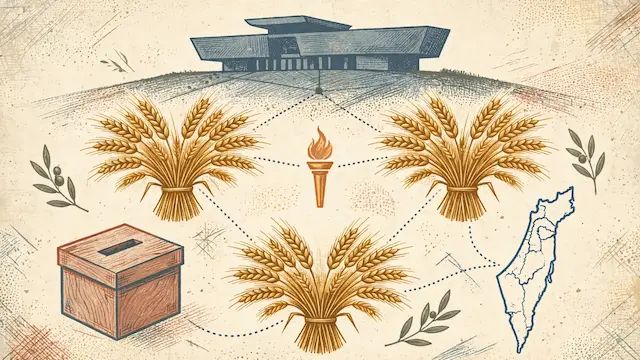
Prime Minister Benjamin Netanyahu and Finance Minister Bezalel Smotrich are launching a joint initiative aimed at increasing voter turnout for their respective parties, Likud and Religious Zionism. The plan, which excludes National Security Minister Itamar Ben-Gvir and his Otzma Yehudit party, focuses on coordinating efforts until election day to energize approximately five seats worth of right-wing voters who might otherwise not vote. The initiative is also being led by Yisrael Gantz, head of the Benjamin Regional Council.
The program involves four main stages: joint management of election day with coordinated messaging, door-to-door campaigning in strategic locations, assistance for voters unable to reach polling stations, and the placement of key community figures to encourage voting. Additionally, phone banking will target audiences not reached by the door-to-door efforts. The parties estimate this activity will reach around 200,000 potential voters, potentially securing close to five Knesset seats.
This collaboration between Netanyahu and Smotrich signifies a deepening partnership, built on shared experiences during critical moments, including the recent war, and has fostered mutual trust. Ben-Gvir's exclusion from the plan follows Likud's refusal to sign a surplus agreement with Otzma Yehudit, a move Otzma Yehudit claims is part of an effort to diminish the party and sideline Ben-Gvir from a future unity government.
Recent polling indicates that Netanyahu's bloc could reach 55 seats, while the opposition falls to 50. Likud and Gadi Eisenkot's "Yisrael" party are tied at 20 seats each. The ultra-Orthodox parties, United Torah Judaism and Shas, are projected to win 15 seats combined, with Religious Zionism receiving 7 seats and Otzma Yehudit securing 8 seats.
Mentioned
The same event, reported separately by each outlet. Open a few to compare what different newsrooms emphasize — and what they leave out.
Centre 3Right 2Haredi 1





Not the same event — other stories that share this one’s people, places, or theme: background, reactions, and follow-ups.