
Class Action Lawsuit Filed Against Eilat-Ashkelon Pipeline Company for $37 Million
Translated & summarized from Ice by baba
A class action lawsuit seeking 140 million shekels has been filed against the Eilat-Ashkelon Pipeline Company (EAPC) in Beersheba, Israel. Two taxi drivers allege that EAPC's operations have caused severe odor pollution and air quality issues for five years, impacting an estimated 70,000 people. The company denies the claims, calling them baseless, and promises a detailed response to the court.
The story in 5 lines · by baba
- A 140 million shekel class action lawsuit was filed against EAPC in Beersheba.
- Plaintiffs allege severe odor pollution and air quality degradation over five years.
- An estimated 70,000 people were affected by the alleged pollution.
- Documentation includes 142 official complaints and a mayor's letter.
- EAPC denies all accusations and calls the claims baseless.
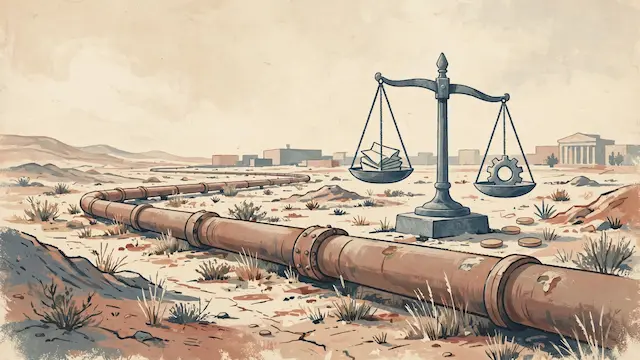
A class action lawsuit seeking 140 million shekels (approximately $37 million) has been filed against the Eilat-Ashkelon Pipeline Company (EAPC) and its subsidiary, the Europe Asia Pipeline Company, at the Beersheba District Court. The lawsuit was initiated by two taxi drivers from Eilat who allege that the company's fuel tank farm and oil port have caused severe odor pollution and degraded air quality for approximately five years. The plaintiffs claim that between 2021 and 2025, ongoing pollution incidents negatively impacted an estimated 70,000 people, including residents, tourists, and workers.
To support their claims, the plaintiffs presented documentation of 142 official complaints filed with the Eilat municipality regarding strong fuel and oil odors. They also included a formal letter from the Eilat mayor to EAPC management following a malfunction at a fuel vapor burning facility. The lawsuit states that the intense odors caused physical symptoms such as nausea, headaches, choking, and dizziness.
The requested compensation is based on an estimated non-economic damage of 2,000 shekels per person exposed to the pollution, along with the application of the environmental principle that polluters must pay for the damage they cause. In addition to financial damages, the plaintiffs are seeking a permanent injunction requiring EAPC to establish binding work procedures to prevent future odor and pollution incidents.
EAPC has categorically denied all accusations and the amounts claimed. A company statement asserted its commitment to environmental protection, significant investment in the field, and adherence to stringent guidelines and standards. EAPC added that an initial review suggests the claims are baseless and that a detailed response will be submitted to the court after reviewing the documents.
The same event, reported separately by each outlet. Open a few to compare what different newsrooms emphasize — and what they leave out.
Centre 1Other 1
