
UK Green Party Leader Accused of Falsifying Ancestry Claims
Translated & summarized from Vesty by baba
Zak Polanski, the leader of Britain's Green Party, faces a scandal over claims he falsified his family's history, stating his ancestors fled Nazi persecution when archives show they arrived in the UK much earlier. The controversy follows the party's adoption of a resolution labeling Zionism as racism and effectively calling for Israel's elimination. Polanski's electoral prospects in his London constituency may be affected by the allegations.
The story in 6 lines · by baba
- Green Party leader Zak Polanski is accused of fabricating his family's history of fleeing Nazi persecution.
- Archives indicate Polanski's ancestors settled in the UK in the late 19th or early 20th century, not before the Holocaust.
- The scandal erupts after the Green Party passed a resolution calling Zionism a form of racism.
- Polanski, who is Jewish, opposed parts of the anti-Zionist resolution but abstained from the vote.
- The controversy could impact Polanski's parliamentary election bid in the Holborn and St Pancras constituency.
- The Green Party suggested the ancestry claims aim to discredit their Jewish leader.
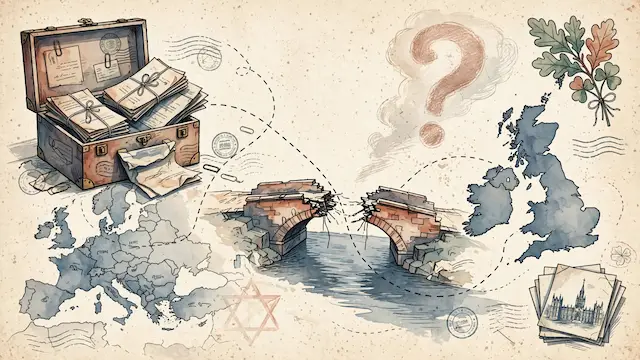
Zak Polanski, the leader of Britain's Green Party and a self-described Jewish anti-Zionist, is embroiled in a scandal over allegations that he fabricated his family history. Polanski had claimed his great-grandparents fled Nazi persecution to reach Britain. However, archive checks revealed that his ancestors actually settled in the UK in the late 19th or early 20th century, long before the Holocaust.
Polanski had recounted stories of his ancestors escaping pogroms in Latvia and Ukraine, moving to Poland, and then fleeing to England where they still faced antisemitism. He shared these narratives in interviews with the BBC in December 2025 and on the podcast "The Rest Is Politics." In September 2025, he acknowledged on Ian Dale's podcast that his great-grandparents moved to the UK "long before World War II." He also stated they changed their surname from Polanski to Polden to avoid attracting attention from antisemites. Polanski himself was born David Polden and adopted the "historical" surname as an adult to feel closer to his Jewish heritage.
The Green Party declined to comment on the specifics of the allegations, issuing a statement that "the history of Jewish families is often very complicated." The party suggested the investigation into Polanski's ancestry was an attempt to "discredit the only leader of a party in Great Britain of Jewish origin."
This controversy comes shortly after the Green Party conference in Brighton, where members approved a resolution labeling Zionism as a form of racism and effectively calling for the elimination of the State of Israel. Polanski opposed some aspects of the resolution but ultimately abstained from the vote. The resolution, which defines Zionism as racism due to its support for an "ethno-national Jewish state," makes the Greens the only major party in Europe to openly identify as anti-Zionist, according to British media.
Analysts suggest the scandal could harm Polanski's chances in the upcoming general election for the Holborn and St Pancras constituency, a seat held by the Labour Party since 1983. Recent polls indicate the Green Party is no longer a marginal force, ranking fourth or fifth among the UK's largest parties.
Mentioned
The same event, reported separately by each outlet. Open a few to compare what different newsrooms emphasize — and what they leave out.
Centre 1Other 1


Not the same event — other stories that share this one’s people, places, or theme: background, reactions, and follow-ups.

