Syrian Druze Mark October 7th with Pro-Israel Display
Translated & summarized from Ice by baba
Druze residents in al-Suwayda, Syria, held a rally displaying Israeli flags and photos of Prime Minister Netanyahu to commemorate the October 7th attacks. The event, attended by dozens, also honored Druze victims and expressed gratitude for Israeli aid, marking a significant shift from traditional Syrian Druze loyalty to Damascus. This change is linked to the fall of the Assad regime and increased threats from Islamist factions, prompting Israeli military and humanitarian intervention.
The story in 6 lines · by baba
- Syrian Druze in al-Suwayda held a rally displaying Israeli flags and photos of PM Netanyahu to mark the October 7th attacks.
- The event also honored Druze victims of Islamist forces and expressed gratitude for Israeli aid, including airstrikes.
- The rally signifies a historical shift in Syrian Druze relations with Israel, moving away from loyalty to the Assad regime.
- Israeli intervention, including military and humanitarian aid, was prompted by threats to the Druze community.
- Historically, Syrian Druze prioritized Syrian patriotism and avoided official contact with Israel.
- Some Druze groups in border areas remain wary of rapprochement with Israel.
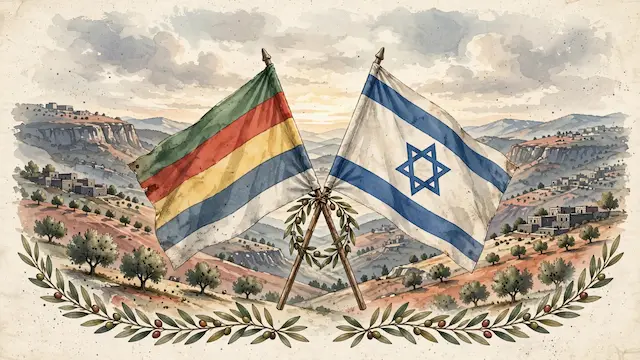
Druze residents in the Syrian city of al-Suwayda held an unprecedented solidarity rally to commemorate the three-year anniversary of the October 7th Hamas attacks. The public demonstration featured Israeli flags displayed alongside Druze flags, as well as pictures of Israeli Prime Minister Benjamin Netanyahu and Druze community leaders. According to local sources, dozens gathered in the central square to remember the Israeli victims of the Hamas-led assault.
Participants also held signs with photos of Druze victims killed by Islamist forces serving Syrian leader al-Julani in the summer of 2025. Alongside these, images of the Druze leader in al-Suwayda, Sheikh Hikmat al-Hajri, and Prime Minister Netanyahu were displayed, reportedly in gratitude for Israeli aid. This aid has included airstrikes against Islamist forces affiliated with the regime of Ahmed al-Shara.
One picture of Netanyahu at the rally read, "The Druze in Bashan support you," and was displayed next to a photo of the spiritual leader of the Druze in Israel, Sheikh Mofaq Tarif. This event signifies a historical shift in the Druze community's relationship with Israel, moving away from traditional loyalty to the Assad regime.
This change is attributed to the fall of the Assad regime and the rise of extremist Islamist factions. Israel has responded by intervening militarily, arming Druze militias, providing humanitarian aid, and attacking Syrian government forces to protect the Druze, largely due to a "blood pact" with the Druze community in Israel. The current spiritual leadership in southern Syria, led by Sheikh al-Hajri, publicly expresses deep gratitude to Jerusalem.
Historically, Syrian Druze maintained a distant relationship with Israel, prioritizing Syrian patriotism and solidarity with the Arab nationalist cause. They avoided official contact with Israel and publicly supported Damascus for existential reasons. This political and identity gap stemmed from the Druze religious principle of loyalty to their country of residence. While Druze in Israel have been integrated since 1948, serving in the IDF and participating in society, Syrian Druze grew up under Syrian nationalist education viewing Israel as an enemy.
However, the Syrian Druze community is not entirely monolithic. Even now, some groups, particularly in isolated border areas like the village of Khader, express reservations about rapprochement with Israel, accusing it of politically exploiting their plight during last year's attacks.
Mentioned
The same event, reported separately by each outlet. Open a few to compare what different newsrooms emphasize — and what they leave out.
Right 4Haredi 1Other 1





Not the same event — other stories that share this one’s people, places, or theme: background, reactions, and follow-ups.