
Israelis Adapt to New Reality Three Years After October 7th Attacks
Translated & summarized from Kikar HaShabbat by baba
Three years after the October 7th Hamas attacks, Israelis have adopted a new vigilance, integrating security measures and mental preparedness into daily life. Habits like constant door locking, mental scenario planning, and heightened awareness in public spaces have become commonplace. The attacks have also deepened the appreciation for family time and spurred practical home emergency preparations. This adaptation reflects a significant shift in national consciousness, balancing vigilance with resilience.
The story in 6 lines · by baba
- Israelis now habitually lock doors at all times, a change driven by October 7th experiences.
- Mental preparedness through scenario planning has become a common coping mechanism for emergencies.
- Public awareness of surroundings and protected areas has significantly increased.
- There is a renewed emphasis on cherishing family time due to life's perceived fragility.
- Home emergency preparedness, including stocking supplies, is now a standard practice.
- Israelis have developed greater mental flexibility in adapting to routine disruptions.
Three years after the Hamas attacks on October 7th, Israelis have undergone significant changes in their public and personal consciousness, moving from a sense of basic innocence to a new, sober vigilance. This shift has integrated into daily life, altering how people approach security and family.
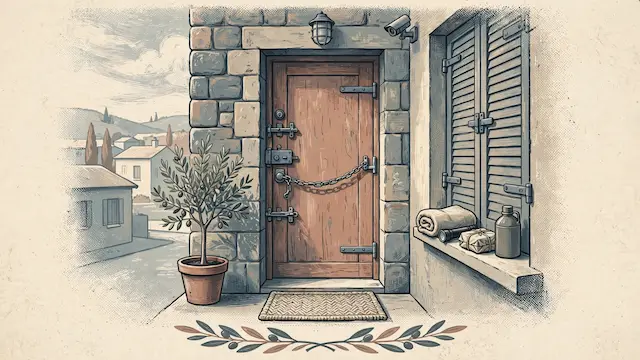
One prominent change is the habit of locking doors at all times, not just at night. The harrowing experiences in communities like Be'eri and Nir Oz, where simple doors separated life from death, have instilled a new perspective on home security. This constant locking is now seen not as fear, but as a basic act of self-preservation.
Mentally, many Israelis now routinely run through worst-case scenarios, such as encountering a terrorist or finding shelter during an alarm. This mental preparedness, once limited to security forces, has become a common coping mechanism to prevent panic in emergencies.
Public spaces are also viewed differently. People are more aware of their surroundings, scanning for the nearest protected area, identifying emergency exits, and noticing suspicious activity or unattended objects. This heightened awareness is integrated into daily routines without causing debilitating anxiety.
There's also a renewed emphasis on family and cherishing time together, stemming from a heightened awareness of life's fragility. Parents are more present with their children, and holidays have gained deeper meaning as opportunities for connection and strengthening family bonds.
Home preparedness has become a priority, with safe rooms or shelters transformed from storage areas into vital hubs. Stockpiling water, non-perishable food, emergency lighting, and portable chargers are now standard practices, ensuring functional independence during escalations.
Finally, Israelis have developed remarkable mental flexibility in accepting disruptions to routine. Canceled events, remote learning, and adjusted work schedules are met with understanding and patience, fostering resilience. This adaptability, combined with increased prayer and unity, is seen as the true protection for the nation.



