New Regulations to Hit Israel's Construction Sector, Warns of Labor Shortage
Translated & summarized from Maariv by baba
Israel's construction industry faces a labor shortage and rising housing costs due to new regulations starting in 2027. Foreign workers from India and Sri Lanka will be restricted to official channels, impacting the sector. Industry representatives criticize the rules as "absurd agreements" that harm the economy.
The story in 4 lines · by baba
- New regulations starting 2027 will restrict foreign construction workers from India and Sri Lanka to official channels.
- The construction industry warns of a significant labor shortage and increased housing costs.
- A previous official program saw 70% of Indian workers lacking professional skills.
- Industry leaders criticize the regulations as "absurd agreements" that harm the economy.
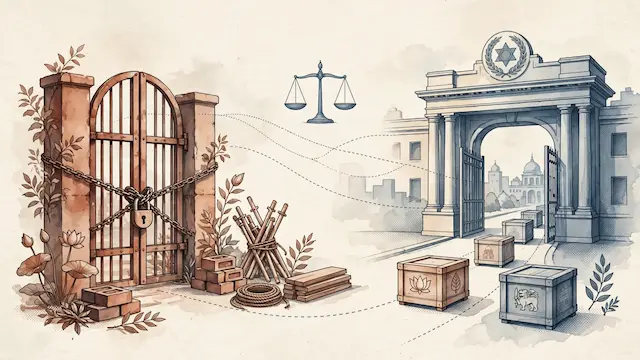
Israel's construction industry is facing a significant blow due to new regulations set by the Population and Immigration Authority. Starting in 2027, foreign workers from India and Sri Lanka will only be permitted to enter the country for construction jobs through an official channel. Industry representatives are sounding the alarm, predicting a severe labor shortage and a subsequent increase in housing costs.
This new policy comes after a previous official pathway between India and Israel saw 70% of workers lacking professional skills, leading contractors to dismiss them. These workers subsequently found employment in the catering and events sectors. Currently, 220 foreign labor corporations operate in Israel, having brought 70,000 skilled workers into the country.
Industry leaders have criticized the new regulations, stating that no other country operates under such "absurd agreements" that burden the private market. They argue that the Population and Immigration Authority is actively hindering the economy and the construction sector with its initiatives.
The same event, reported separately by each outlet. Open a few to compare what different newsrooms emphasize — and what they leave out.
Centre 2Right 1


Not the same event — other stories that share this one’s people, places, or theme: background, reactions, and follow-ups.