
Israeli Companies Advance in Massive Metro Project Tender
Translated & summarized from Bizportal by baba
Israel's NTA has advanced 19 consortia, including major local firms like Electra and Shapir, to the next stage of bidding for the 65 billion shekel "Infra 1" tender for the Gush Dan metro project. The tender involves significant civil engineering work and has seen substantial participation from international companies, particularly from India and China. Major construction is expected to begin late this decade, with the first phase aiming for operation around 2037.
The story in 6 lines · by baba
- 19 consortia of 31 companies advanced in the 65 billion shekel Gush Dan metro project tender.
- Major Israeli firms Electra, Danya, Shapir, and Ashtrom are among the pre-qualified bidders.
- The tender involves extensive civil engineering work for tunnels, stations, and depots.
- Indian and Chinese companies are significantly involved, often partnering with Israeli firms.
- The first phase of the metro project is slated to begin operations around 2037.
- A separate 30 billion shekel tender for operational systems is also underway.
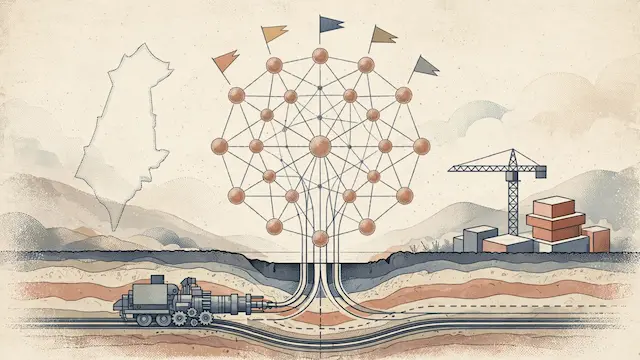
Israel's National Transport Infrastructure Company (NTA) has advanced 19 consortia, comprising 31 companies, to the next stage of bidding for the Gush Dan (Tel Aviv metropolitan area) metro project's "Infra 1" tender. This phase, valued at approximately 65 billion shekels, involves heavy civil engineering work including tunnel boring, station construction, and depot facilities for the first phase of the metro network. The project spans about 75-78 kilometers with 59 stations across lines M1, M2, and M3.
Several major Israeli infrastructure firms, including Electra, Danya, Shapir, and Ashtrom, are part of the pre-qualified groups. These companies will compete for the construction contracts, which are expected to significantly shape the local infrastructure market in the coming years. The tender requires experience and capabilities often necessitating partnerships between local and international firms.
Notable is the significant presence of Indian companies, participating in seven different consortia, often in collaboration with Israeli contractors. Chinese firms are also involved in several groups. While these international partnerships bring crucial expertise in large-scale tunneling and underground construction, the involvement of Chinese companies in later stages, particularly for systems like signaling and control, may raise political and security considerations.
The overall metro network is planned to span around 150 kilometers with 109 stations across three lines and 24 municipalities, with an estimated total project cost of 180 billion shekels. NTA has also initiated the pre-qualification process for "Infra 2," a 30 billion shekel tender focused on operational systems like trains, signaling, and control.
Major tenders for Infra 1 are anticipated to progress during 2027-2028, with heavy construction work expected to ramp up towards the end of the decade. The first phase of the metro system is tentatively scheduled to begin operations around 2037.
Mentioned
The same event, reported separately by each outlet. Open a few to compare what different newsrooms emphasize — and what they leave out.
Right 1Other 6






Not the same event — other stories that share this one’s people, places, or theme: background, reactions, and follow-ups.
