
Hostage Survivors Battle Bureaucracy and Trauma Years After Release
Translated & summarized from Mako by baba
Three years after their release from Hamas captivity, former hostages Yusef Chaim Ohana, Segev Kalfon, and Eitan Yahalomi are facing significant post-traumatic stress and bureaucratic hurdles. They struggle with housing, financial instability, and mental health challenges, finding current government assistance inadequate for their needs. An NGO is providing crucial support, while survivors express frustration with the system and a desire for comprehensive, long-term aid to aid their recovery and reintegration.
The story in 6 lines · by baba
- Hostage survivors Yusef Chaim Ohana, Segev Kalfon, and Eitan Yahalomi are battling severe trauma and bureaucracy three years after their release.
- Ohana lives out of suitcases, Kalfon experiences auditory hallucinations, and Yahalomi struggles to attend school.
- Survivors report inadequate financial aid and housing assistance, making independent living extremely difficult.
- Families of fallen soldiers also face struggles with recognition and support for their own trauma.
- An NGO, 'Lehoshit Yad', provides vital support, but government aid is often delayed by bureaucracy.
- A proposed law to grant 100% disability for life to released hostages has stalled.
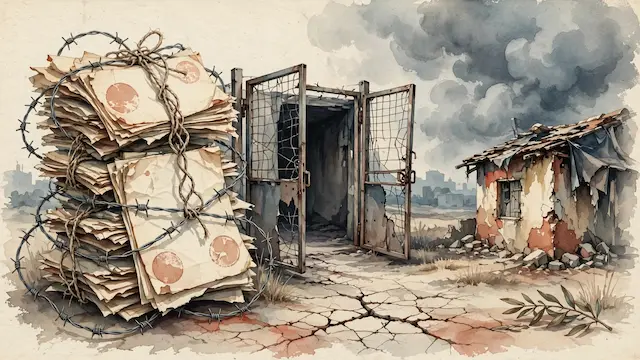
Three years after being held captive in Gaza, former hostages Yusef Chaim Ohana, Segev Kalfon, and Eitan Yahalomi are struggling with severe post-traumatic stress, financial difficulties, and a frustrating battle against bureaucracy. Ohana, who was abducted from the Nova music festival, still lives out of suitcases at his grandmother's home in Ramla, unable to secure his own apartment due to financial constraints and the high cost of living. He describes his living situation as "still everything in boxes" and expresses a deep need for personal space to heal, stating, "I need my quiet. I need my place to heal myself, to heal my soul."
Kalfon, also a survivor of 738 days in captivity, experiences auditory hallucinations of explosions at night and finds his hometown of Dimona overwhelming due to constant reminders of October 7th. While officially recognized as victims of hostile acts with 50% disability and a monthly stipend, he and others feel the financial aid, including a NIS 300,000 housing grant that only comes after purchasing a home and at the end of a mortgage, is insufficient. The struggle to secure adequate housing assistance, even after efforts to increase it to around NIS 4,000 per month, leaves them unable to afford rent in central Israel where their support networks are located.
Yahalomi, who was 12 when he was kidnapped and whose father was murdered in captivity, is now 15 and struggling to attend school. He spends most of his time at home, escaping into his phone, and finds solace in activities organized by the "Lehoshit Yad" NGO. The organization's CEO, Avraham Atar, highlights the critical need for personalized support for these survivors and their families, noting that government grants are often stalled by bureaucracy.
The article also touches upon the plight of families of the fallen, such as Alon Nemrodi, father of fallen soldier Tamir Nemrodi, who is fighting for recognition of his own post-traumatic stress after witnessing his son's abduction. He criticizes the system for requiring families of hostages to undergo medical committees and points out the arbitrary three-year limit for siblings of the fallen to receive educational benefits. A proposed amendment to recognize released hostages with 100% disability for life has stalled since its first reading in May 2025.
Despite the immense challenges, there are glimmers of hope. Yahalomi dreams of joining the military's Shaldag unit, while Kalfon finds peace by the sea, believing he can overcome his struggles with the right support. Ohana emphasizes that their survival was for everyone, not just themselves, and expresses a reluctance to ask for help, feeling it proves he cannot manage alone, despite having endured the "hardest thing in the world."
Mentioned
The same event, reported separately by each outlet. Open a few to compare what different newsrooms emphasize — and what they leave out.
Only Mako so far.

Not the same event — other stories that share this one’s people, places, or theme: background, reactions, and follow-ups.




