Palestinian National Dialogue Debates Election Delay or Rescue Plan
Translated & summarized from Arab48 by baba
Palestinian legislative elections face potential delay due to internal divisions and external pressures from the U.S. and Israel, with a national dialogue aimed at addressing these challenges. Obstacles include Israeli occupation policies, the U.S. and Israeli stance on Hamas participation, and internal Palestinian fears of power loss. The article argues that for elections to be meaningful, they must ensure fair participation, respect results, and be free from occupation interference.
The story in 5 lines · by baba
- Palestinian elections face delay amid calls for national dialogue and potential integration of Hamas.
- U.S. and Israel pose external obstacles, opposing elections including Gaza without Hamas concessions.
- Israeli occupation is identified as the primary barrier to free and fair Palestinian elections.
- Internal Palestinian divisions and elite fears of losing power also threaten the electoral process.
- Meaningful elections require national consensus, international guarantees, and an end to occupation interference.
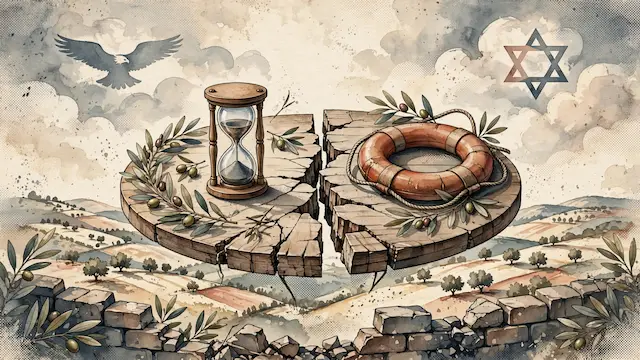
Palestinian legislative elections are facing a potential delay, despite the ongoing submission of candidate lists. A national dialogue is being prepared, seemingly to legitimize such a postponement. However, significant obstacles remain, including the need to unify the Fatah movement and integrate Hamas into the Palestinian political system. For the dialogue to succeed, its format, participants, and objectives must change to avoid repeating past failures, especially given the limited time before the elections. The article stresses that overcoming these challenges is crucial to prevent the collapse of the Palestinian political system, warning against reliance on external factors like U.S. or Israeli elections.
External pressures complicate the elections. The United States reportedly opposes elections that include Gaza unless Hamas disarms and becomes a political party. Israel, in principle, rejects Palestinian elections or seeks to control their terms, citing Hamas's participation. Internally, Palestinian elites fear losing power amid public anger. A potential broad electoral alliance could include Fatah's reformist current, Hamas, and the National Democratic Assembly, possibly with the participation of imprisoned leader Marwan Barghouti, which could significantly alter the political landscape.
The primary obstacle to free and fair elections is the Israeli occupation, which seeks to prevent a unified, legitimized Palestinian leadership. Israel controls movement, imposes restrictions, and engages in actions that hinder election processes in both the West Bank and Gaza. A second major hurdle is the participation of Hamas and other groups designated as terrorist organizations by the U.S. and Israel. The article argues that excluding key political factions undermines the democratic principle of representation and the right to compete.
The piece criticizes the notion that the U.S. and Israel are pushing for elections, suggesting only Europe genuinely desires them for its own populations. It calls for European pressure on those obstructing the elections, primarily the occupation. The article also points out that elections alone cannot end the internal Palestinian division and may even exacerbate it if not preceded by national understandings on the rules and goals. Issues of oversight in Gaza, potential legitimacy conflicts between a legislative council and an unelected president, and external interference in election conditions are also highlighted.
Ultimately, the article questions whether the desired elections are for renewing legitimacy and unifying the Palestinian people or for external political arrangements. It concludes that elections are a necessity for renewing legitimacy and national unity but only if conducted under conditions that ensure fair participation, respect for results, and an end to the occupation's interference. Holding elections without these prerequisites, it warns, could legitimize the existing division and occupation.
Mentioned
Not the same event — other stories that share this one’s people, places, or theme: background, reactions, and follow-ups.