
Iran's National Security Chief Acknowledges Severe Economic Crisis
Translated & summarized from NEWSru Israel by baba
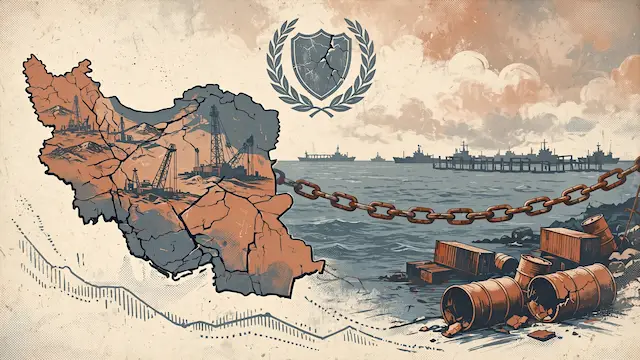
Iran's National Security Chief Mohsen Rezaei has admitted the country is facing a severe economic crisis, exacerbated by U.S. sanctions and a naval blockade that has crippled oil exports. The Iranian rial has plummeted, leading to a cost of living crisis, fuel shortages, and protests from workers and pensioners.
The story in 5 lines · by baba
- Iran's National Security Chief admits the country is in a severe economic crisis.
- The crisis is worsened by U.S. sanctions and a naval blockade impacting oil exports.
- The Iranian rial has sharply declined, increasing living costs and causing fuel shortages.
- The Minister of Oil resigned amid the escalating economic downturn.
- Workers and pensioners have protested due to insufficient wages and pensions.
His remarks were made during a meeting of senior government officials focused on economic stabilization following over seven months of war. President Masoud Pezeshkian and several ministers also attended the session.
President Pezeshkian acknowledged the deteriorating economic situation on the same day, announcing on social media that the government had adopted a new management approach for the current circumstances, without elaborating on practical details. The Minister of Oil, Mohsen Paknejad, who had previously asserted Iran's continued oil exports despite U.S. sanctions in July, resigned on Sunday, October 4. Hamid Bovard, head of the National Iranian Oil Company, will temporarily assume the minister's duties, according to presidential press secretary Seyed Mehdi Tabatabaei.
The Iranian rial has been declining since February, when the United States and Israel initiated a war against Iran. This fall has sharply accelerated in recent weeks, with the U.S. intensifying sanctions and imposing a naval blockade. These measures have increased import costs and exacerbated a long-standing cost of living crisis. The blockade has restricted oil exports, cutting off the country's primary revenue source and triggering a fuel crisis. Additionally, the U.S. has significantly curtailed civilian air traffic between Iran and the rest of the world. Negotiations between Tehran and Washington have stalled, with both sides refusing to make concessions.
In recent days, state and private sector workers, including nurses and teachers, have announced resignations on social media due to insufficient wages. Iranian media also reported that retired civil servants have held protests in recent weeks, claiming they are not receiving their full pensions.
Mentioned
Not the same event — other stories that share this one’s people, places, or theme: background, reactions, and follow-ups.
