
Brazil Election: Markets Favor Bolsonaro Amid Economic Uncertainty
Translated & summarized from Calcalist by baba
The story in 5 lines · by baba
- Flavio Bolsonaro leads the first round of Brazil's presidential election, forcing a runoff against incumbent Lula da Silva.
- Bolsonaro's party secured significant gains in the Senate, signaling a potential right-wing majority in Congress.
- Financial markets reacted positively to Bolsonaro's potential fiscal reforms, despite unclear economic plans.
- Brazil's economy is the world's tenth-largest but faces high poverty and inequality.
- Bolsonaro pledged to move Brazil's embassy to Jerusalem, a move with potential trade and diplomatic consequences for Israel.
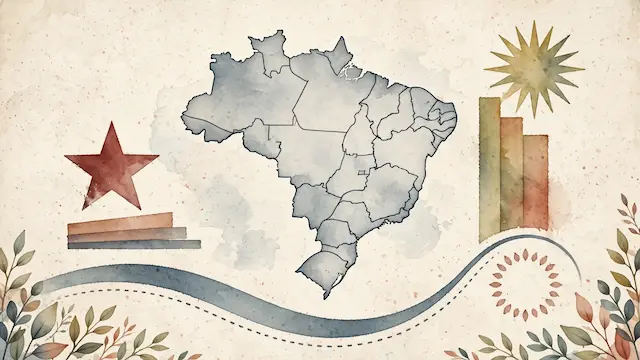
In Brazil's presidential election, Senator Flavio Bolsonaro, son of former President Jair Bolsonaro, narrowly leads the first round with 47.04% of valid votes, compared to 45.15% for incumbent President Luiz Inácio Lula da Silva. With neither candidate surpassing the 50% threshold, a second round is scheduled for October 24. Bolsonaro's right-wing Conservative PL party also secured 19 Senate seats, becoming the largest bloc in the upper house with 28 seats starting February 2027. Early projections indicate a strong right-wing majority in both houses of Congress. This outcome is seen as a protest vote against the current government's struggles with the cost of living and corruption, rather than an endorsement of Bolsonaro's father, who faces a prison sentence for an attempted coup.
Brazil, the world's tenth-largest economy, is a major global exporter of beef, chicken, sugar, coffee, soybeans, and crude oil. It is also a critical source of niobium and holds the second-largest reserves of rare earth elements globally. Despite its economic significance, Brazil faces high poverty rates (23.1%) and significant inequality, particularly between the impoverished northeast and the wealthier south. The financial markets reacted positively to the first-round results, with the EWZ ETF tracking Brazilian stocks surging nearly 10% in New York and a similar ETF in Tokyo opening up 9.4%. Real yields on government bonds have also decreased since July.
Economists suggest Flavio Bolsonaro's potential fiscal tightening through spending cuts could lead to lower Brazilian interest rates, boosting asset values. However, his economic platform remains unclear regarding funding for social programs like Bolsa Familia and maintaining tax exemptions, raising concerns about the fiscal deficit. Brazil's government debt is high, reaching 82.9% of GDP in August, with a total deficit of 10% of GDP, largely due to substantial interest payments on debt.
Israel has a direct interest in Brazil's political landscape. Brazil has lacked an ambassador to Israel since May 2024, as President Lula has not approved a new appointment. Jair Bolsonaro met with Prime Minister Benjamin Netanyahu in January and pledged to return Brazil's ambassador and move its embassy to Jerusalem by 2027, aligning with initiatives like the Abraham Accords. However, Bolsonaro's father made similar promises in 2018, ultimately opening only a trade office in Jerusalem. The potential embassy move is seen as a strategic appeal to evangelical voters, a significant demographic for Bolsonaro.
Despite the political rhetoric, bilateral trade remains robust, with Brazil importing $1.41 billion from Israel in 2025, primarily fertilizers, and exporting $569 million to Israel, mainly meat, resulting in a trade surplus for Israel. A Bolsonaro government could open doors for Israeli companies in defense and agriculture, but an embassy in Jerusalem might alienate major markets, a factor that previously deterred Jair Bolsonaro. As the election heads to a runoff, the markets are betting on fiscal reform, though the candidates have not fully committed to such measures.
Mentioned
The same event, reported separately by each outlet. Open a few to compare what different newsrooms emphasize — and what they leave out.
Left 1Centre 4Right 5Haredi 2Other 6






















Not the same event — other stories that share this one’s people, places, or theme: background, reactions, and follow-ups.