
Knesset Speaker Faces Pressure to Re-Vote for State Comptroller
Translated & summarized from Maariv by baba
The Knesset's legal advisor has urged Speaker Amir Ohana to hold a new vote for State Comptroller, a position vacant for months after a court disqualified the initial candidate. Practical difficulties due to upcoming elections are acknowledged, but the obligation to fill the role remains.
The story in 5 lines · by baba
- Knesset has been without a State Comptroller for months.
- High Court disqualified candidate Michael Rabilo.
- Knesset legal advisor urges Speaker Ohana to hold new vote.
- Upcoming elections may complicate the voting process.
- Knesset must fulfill its obligation to elect a comptroller.
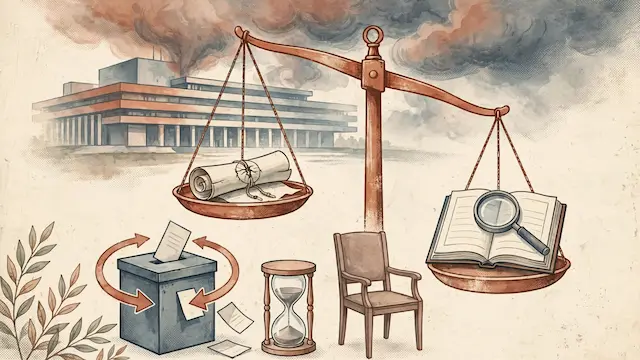
The Knesset has been without a State Comptroller for months, following a High Court of Justice ruling that disqualified Michael Rabilo's candidacy for the position. The Knesset's legal advisor, Shagit Afek, has urged Speaker Amir Ohana to hold a new vote as soon as possible to fill the vacant role. However, Afek also cautioned that the upcoming elections could present practical difficulties in scheduling and conducting the vote.
Afek's letter to Ohana highlighted several considerations relevant to the timing of the second round of voting and the court's potential remedies. One significant factor is the changing composition of the Knesset since the initial vote, with factions splitting, members switching parties, and some resigning. Afek expressed concern that these shifts might lead Knesset members to prioritize factional and party interests over other considerations when voting.
Despite these challenges, Afek maintained that the Knesset cannot be excused from its obligation to elect a State Comptroller. She stressed that the court's ruling must be implemented promptly, ideally during the current Knesset term, to ensure the position is filled. The legal advisor noted that due to the proximity of the elections and the required notice period for a session, coordinating the vote and ensuring members' participation could prove practically difficult.
Keep up with
Mentioned
The same event, reported separately by each outlet. Open a few to compare what different newsrooms emphasize — and what they leave out.
Centre 3Other 1



Not the same event — other stories that share this one’s people, places, or theme: background, reactions, and follow-ups.

