
UK Green Party Labels Zionism Racist Ideology
Translated & summarized from Al-Shams by baba
The British Green Party has passed a resolution labeling Zionism a racist ideology, sparking debate and varied reactions. The decision reflects internal party shifts and a growing membership, with supporters citing the impracticality of the two-state solution and opponents questioning the party's stance on Palestinian statehood.
The story in 5 lines · by baba
- UK Green Party declares Zionism a racist ideology.
- Resolution passed after lengthy debate with over 1,000 votes.
- Decision reflects internal party shifts and growth.
- Israeli Foreign Ministry condemns the move as antisemitic.
- The party distinguishes between Zionism and Jewish identity.
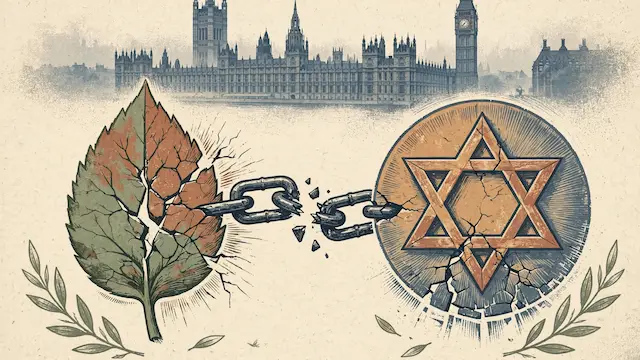
The British Green Party has officially classified Zionism as a racist ideology, a decision described by journalist Rabie Eideid as a significant precedent in the Western political landscape. The resolution, proposed by the "Greens for Palestine" group, underwent a lengthy debate of approximately five hours before being adopted by a vote of over 1,000 to 800. Some objections reportedly focused on specific clauses within the proposal, such as the call for a single, equal state for all and the right of return for refugees.
Supporters of the resolution argued that the two-state solution is no longer practical due to settlement expansion and the current reality on the ground. Opponents, however, contended that the party should not dictate the form of statehood for Palestinians. Eideid suggested the decision reflects internal shifts within the Green Party, particularly following a substantial increase in its membership, which grew from around 50,000 to approximately 250,000 in the past year. The election of Zak Bolonsky, who Eideid described as a non-Zionist Jew, as party leader, coincided with this growth, partly fueled by dissatisfaction with the Labour Party's stance on the Gaza conflict.
The resolution explicitly distinguishes between Zionism as a political ideology and Jewish religious or ethnic identity, asserting that not all Jews are Zionists, and not all Zionists are Jews. This distinction has led to varied reactions. The Israeli Foreign Ministry condemned the move as antisemitic, and pro-Israel Jewish groups have also criticized it. Conversely, Eideid noted the emergence of Jewish voices supporting the resolution, including Holocaust survivors who shared personal testimonies and emphasized the need to prevent similar atrocities against any people.
Eideid also highlighted the Green Party's prior pro-Palestinian stances, including labeling the events in Gaza as genocide and endorsing Boycott, Divestment, and Sanctions (BDS) criteria. The party had also previously described the Israeli military as a terrorist organization. While party leader Zak Bolonsky did not vote on the resolution, he later joined a statement from party MPs clarifying that Zionism supporting war and genocide is racist, reaffirming the party's inclusive nature for all members, including its Jewish members.
With general elections not expected for about two years, Eideid believes the decision is primarily driven by internal party dynamics. He also observed that British media coverage tends to focus on the concerns of pro-Israel Jewish groups, while the perspectives of anti-Zionist Jewish voices receive less attention.
Mentioned
The same event, reported separately by each outlet. Open a few to compare what different newsrooms emphasize — and what they leave out.
Left 1Centre 3Right 4Arab 1








Not the same event — other stories that share this one’s people, places, or theme: background, reactions, and follow-ups.
