Flydubai Co-Pilot Acted Alone in Hijacking Attempt, Israeli Probe Suggests
Translated & summarized from 0404 by baba
The story in 5 lines · by baba
- Israeli investigation suggests co-pilot acted alone in hijacking attempt.
- Co-pilot may have shut down engines and disengaged autopilot.
- Aircraft lost 16,000 feet in 30 seconds.
- Emergency lights activated at high altitude.
- Flight broadcasted hijacking-related emergency codes.
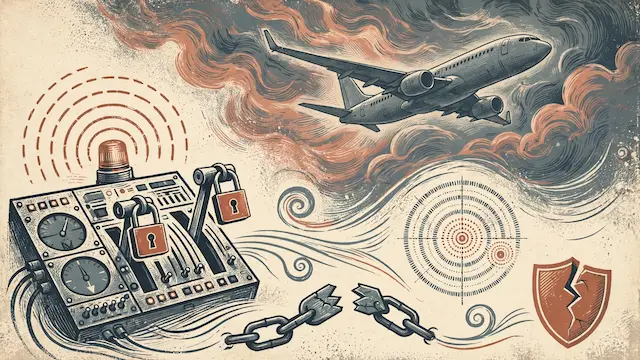
New details have emerged from the investigation into the attempted hijacking of Flydubai flight 1073, suggesting the co-pilot acted as a lone perpetrator rather than part of a larger cell, according to the ongoing Israeli inquiry. Concurrently, a separate investigation by the Italian newspaper Corriere della Sera indicates the co-pilot may have disengaged the autopilot, pushed the control column forward, and shut down both engines. This action reportedly caused the aircraft to lose approximately 16,000 feet of altitude in just 30 seconds. Boeing 737 captains analyzing flight data noted that cabin emergency lights activated at high altitude, a sign that the plane lost its primary power supply and switched to battery, potentially due to engine or generator shutdown. Investigators are also examining suspicions that the fuel switches were moved from 'Run' to 'Cut Off' during the incident. The flight initially broadcasted an emergency code 7700, signaling a general emergency, which was later changed to code 7500, indicating a suspected hijacking. The investigation continues, focusing on the co-pilot's actions in the cockpit and the possibility that he intentionally disabled the engines.
The same event, reported separately by each outlet. Open a few to compare what different newsrooms emphasize — and what they leave out.







Not the same event — other stories that share this one’s people, places, or theme: background, reactions, and follow-ups.