
Israeli Students Return to School With Varied Schedules Due to Labor Agreements
Translated & summarized from Ice by baba
The story in 5 lines · by baba
- Elementary and middle school students return Sunday, October 4th.
- High school students return Monday, October 5th.
- The difference is due to labor agreements with teacher unions.
- Existing agreements dictate varied holiday schedules.
- New labor agreements are expected to be negotiated.
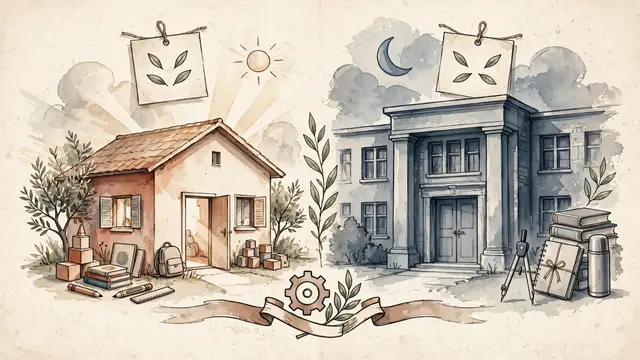
Students across Israel will return to school following the Sukkot holiday, but not all on the same day. Children in kindergartens, elementary schools, and middle schools are scheduled to resume classes on Sunday, October 4th, which is the intermediate day of Sukkot (Isru Chag). However, high school students in grades 10 through 12 will have an additional day off and will only return to school on Monday, October 5th.
This discrepancy stems from differing labor agreements with the Teachers Union and the Post-Primary Education Association. For kindergarten, elementary, and middle school teachers, Isru Chag is a workday, thus students attend. In contrast, high schools observe this day as a holiday according to their specific vacation schedules. This difference is also linked to an arrangement made around the period between Yom Kippur and Sukkot.
Under existing agreements, extra workdays were added at other times during the year, including for Fast of Esther, Isru Chag of Passover, and Isru Chag of Shavuot. However, Isru Chag of Sukkot and Lag Ba'omer remain holidays for high school teaching staff.
The current agreements are set to expire, and the state will need to negotiate new labor contracts. Future agreements may alter vacation schedules, but until a new schedule is established, the current system remains in effect. Consequently, while the majority of students will return to their studies on Sunday, high school students will enjoy an extra day of vacation before commencing their academic year on Monday, October 5th.
The same event, reported separately by each outlet. Open a few to compare what different newsrooms emphasize — and what they leave out.


Not the same event — other stories that share this one’s people, places, or theme: background, reactions, and follow-ups.

