
Near-Miss on Flydubai Flight Highlights Security Lapses and Political Maneuvering
Translated & summarized from Israel Hayom by baba
The story in 5 lines · by baba
- Passengers and crew averted a hijacking attempt on a Flydubai flight due to a series of fortunate events.
- The incident highlights potential security lapses in aviation and a failure to act on previous warnings.
- Israeli officials are debating whether pre-incident warnings were politically motivated or based on intelligence.
- Concerns are raised about the vetting of flight crews, especially on foreign airlines.
- The article also touches on escalating violence in the West Bank and its international implications.
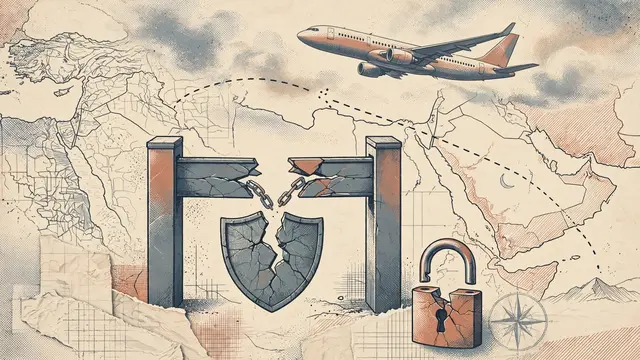
A dramatic incident aboard a Flydubai flight, where passengers thwarted a potential hijacking attempt by a co-pilot, has exposed significant security vulnerabilities and sparked political debate in Israel. The near-disaster was averted due to a series of fortunate circumstances, including a passenger's alertness, the pilot's quick action to activate a distress button, the intervention of other pilots on board, and the eventual safe landing in Saudi Arabia.
This event has prompted calls for a thorough review of aviation security protocols, drawing parallels to Israel's responses to past hijacking waves and the US's post-9/11 security overhaul. A 2024 State Comptroller report, largely classified, had previously recommended a comprehensive review of international aviation security, but little action was taken, leading to criticism that authorities, including the Prime Minister, failed to heed warnings.
Security officials have stated that Israel had no specific intelligence about the Flydubai incident prior to it occurring, suggesting that warnings issued by Prime Minister Netanyahu and Defense Minister Israel Katz before the incident were politically motivated rather than based on concrete threats. Opposition leader Yair Lapid confirmed that the issue was not raised in his meeting with Netanyahu. The article criticizes the government for issuing public warnings instead of acting discreetly to thwart threats, arguing such public alerts exacerbate public trauma.
The incident has also raised questions about the vetting of flight crews, particularly for foreign airlines operating routes to and from Israel. While Israeli airlines are known for their stringent security measures, the article points out that leased aircraft with foreign crews pose a potential risk. The UAE, and specifically Flydubai, are also under scrutiny for their recruitment and screening processes.
Furthermore, the article touches upon the escalating violence in the West Bank, citing an incident in Jalud where settlers attacked security forces attempting to escort a Palestinian family back to their home. This is presented as another example of a breakdown in governance and security, with the article suggesting that extremist elements are acting with impunity. The international repercussions of such events, including increased anti-Israel sentiment and calls for boycotts, are also highlighted, with the Jalud incident and the Flydubai near-miss seen as missed opportunities for Israel to shape the narrative.
Read the original at Israel HayomMentioned
The same event, reported separately by each outlet. Open a few to compare what different newsrooms emphasize — and what they leave out.






Not the same event — other stories that share this one’s people, places, or theme: background, reactions, and follow-ups.