Lapid Criticized for Immediate Political Attack After Security Briefing
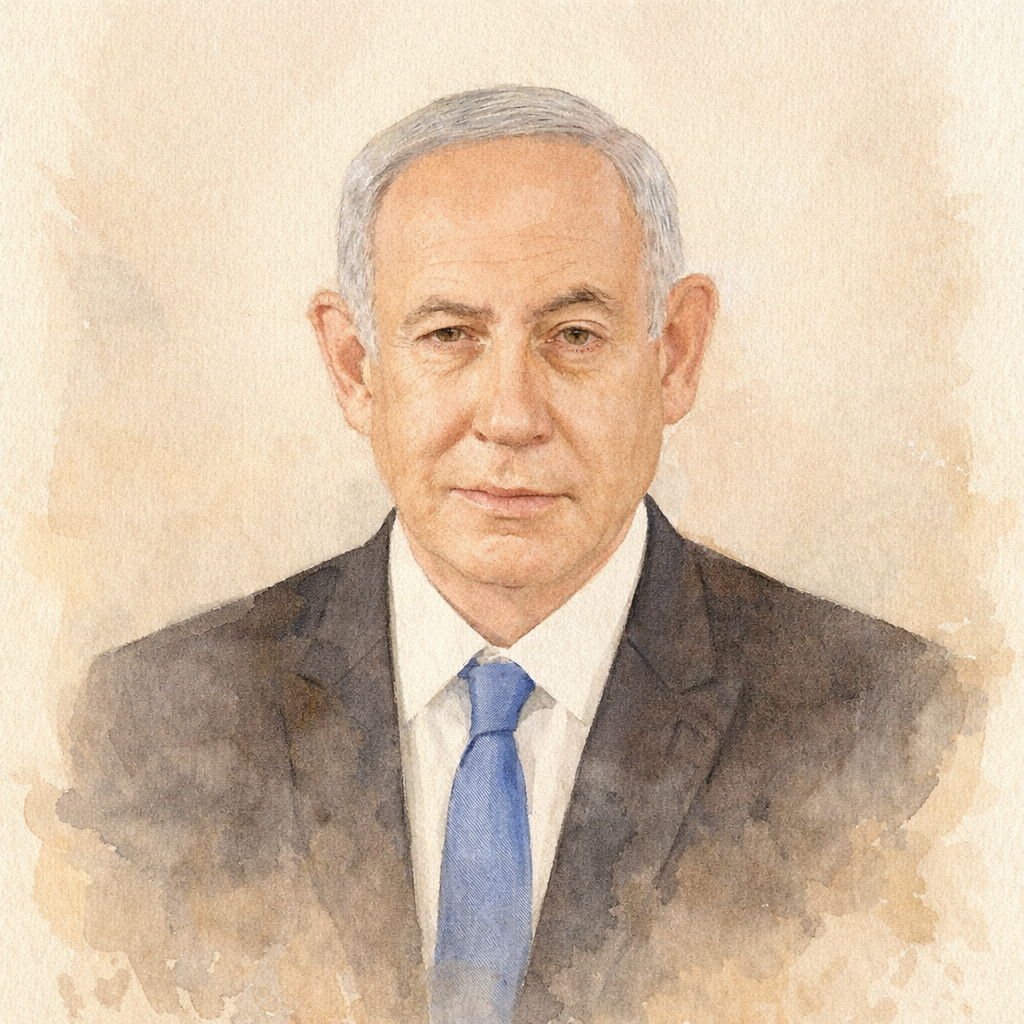
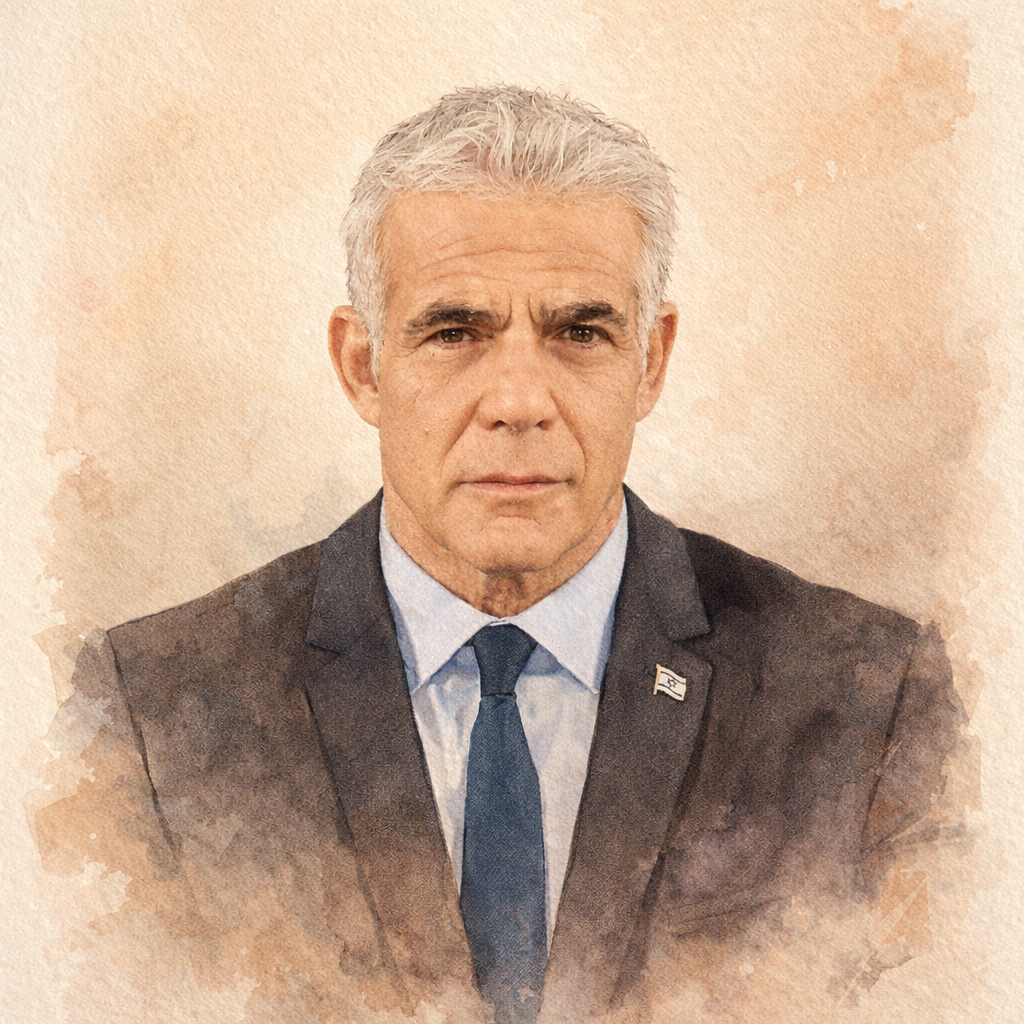
Opposition leader Yair Lapid is facing criticism from the Likud party for allegedly releasing a statement attacking Prime Minister Benjamin Netanyahu just two minutes after receiving a security briefing from him. According to Likud, Lapid was updated on potential threats on various fronts during the meeting. Instead of engaging in a substantive discussion of the intelligence presented, the Likud claims, Lapid immediately steered the matter back into the election campaign, specifically linking it to the contentious issue of Haredi (ultra-Orthodox) conscription.
The article suggests that while it is permissible to question a prime minister's motives, especially during an election period, there is an expectation for leaders to act with seriousness when national security is concerned. The author implies that Lapid's swift public statement, made so soon after the briefing, demonstrated a lack of such seriousness and prioritized political maneuvering over a sober assessment of the security information.
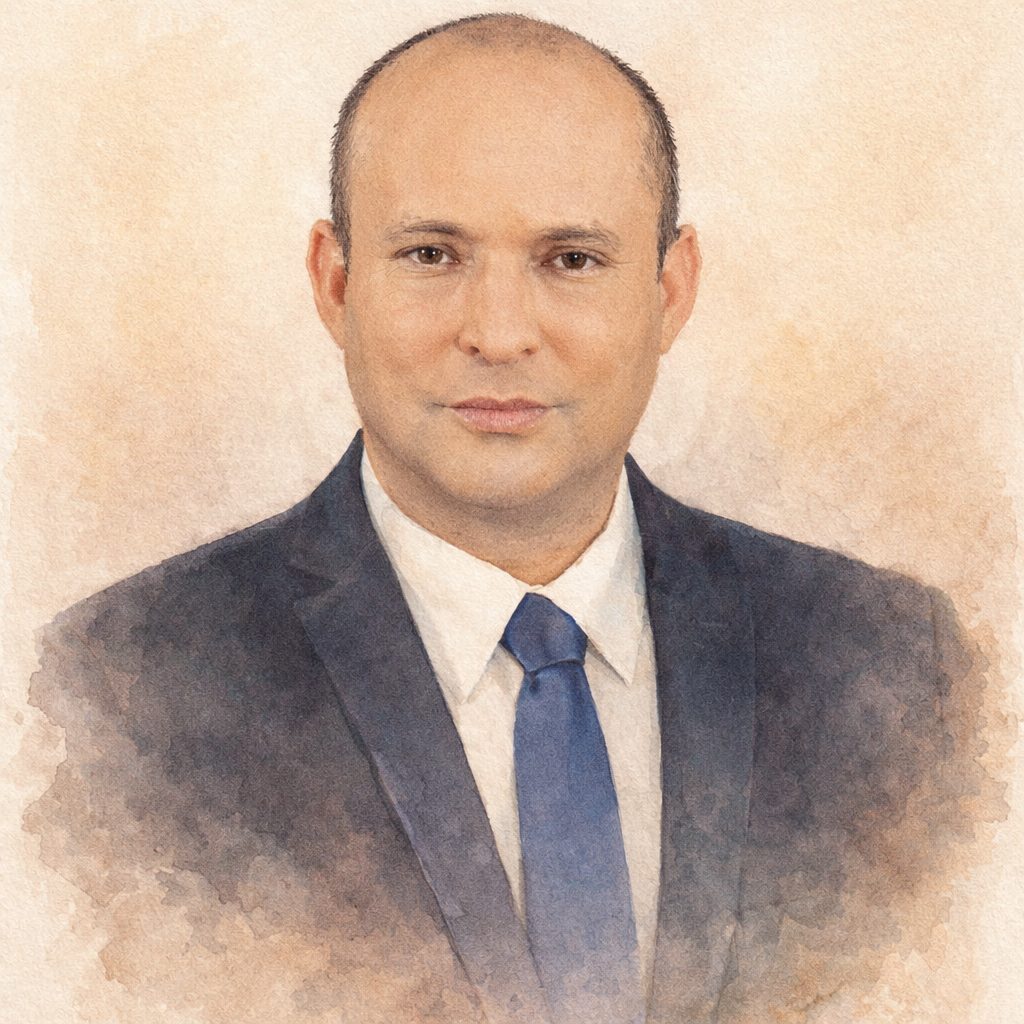
Prior to the meeting with Netanyahu, Lapid reportedly had a coordination call with Naftali Bennett, during which, the article alleges, they attempted to frame the security situation around the Haredi conscription issue. The author points out that the "Change Government" led by Bennett and Lapid had previously advanced a conscription law that had already passed its final recruitment targets during the current government's tenure.
The article further contends that Lapid's immediate post-briefing statement, without even a minimal delay to appear as though he was carefully considering the new intelligence, indicates a predictable pattern of behavior where his supporters will align with his stance against Netanyahu regardless of the specifics. The piece concludes by noting that Israel's adversaries, from Hezbollah to Hamas, are reportedly hoping for Netanyahu's downfall, suggesting that opposition figures are seen as more pliable to their aims.
The same event, reported separately by each outlet. Open a few to compare what different newsrooms emphasize — and what they leave out.



Not the same event — other stories that share this one’s people, places, or theme: background, reactions, and follow-ups.