
Israel to See Record Fuel Prices Tonight; Finance Minister Intervenes
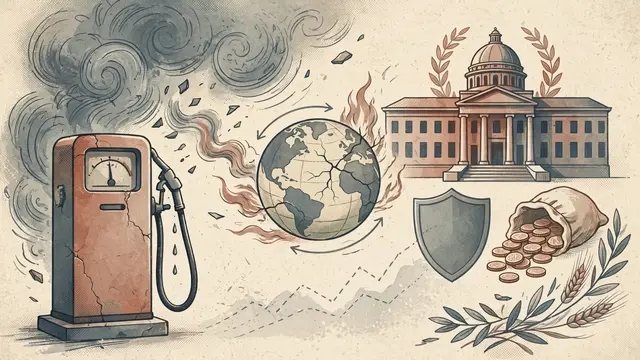
Fuel prices in Israel are set to reach an all-time high tonight, with the cost of a liter of 95-octane gasoline expected to rise by 52 agorot to 8.27 shekels. This increase follows a previous reduction in excise duty by 50 agorot per liter earlier in October, which temporarily lowered the price to 7.75 shekels. That earlier reduction, approved unusually by legal counsel due to the election period despite professional opposition within the Finance Ministry, was set to expire at the end of October.
The current price surge is attributed to a global rise of approximately 13% in gasoline prices and a roughly 3% strengthening of the US dollar against the Israeli shekel, factors that have completely negated the earlier discount. The excise duty, a significant source of state revenue, is a key tool for regulating fuel prices. Reducing it can mitigate price hikes for consumers but also impacts the national deficit.
In response to the impending record prices, Finance Minister Bezalel Smotrich has decided to intervene by implementing a further reduction in excise duty. This move, expected to cost the state approximately 150 million shekels in lost revenue, comes on top of a previous reduction in September that cost 350 million shekels. The decision was made despite opposition from professional staff within the Finance Ministry, but legal approvals and a budget source have been secured.
A primary consideration behind the decision is to prevent the price from crossing the 9-shekel threshold, which could trigger significant public criticism, especially given the timing close to elections. Fuel prices are often viewed by the public as a symbolic indicator of the economy's health. Furthermore, higher-than-expected state revenues reportedly allow Smotrich to fund this measure without exceeding the deficit target set by law.
An anonymous senior Finance Ministry official commented to the newspaper "Calcalist" that "everyone would do this," suggesting that any finance minister would be tempted by such a popular move shortly before an election.
The same event, reported separately by each outlet. Open a few to compare what different newsrooms emphasize — and what they leave out.










Not the same event — other stories that share this one’s people, places, or theme: background, reactions, and follow-ups.
Ask About This Article
Duki reads it, and every newsroom on the same story, then answers with sources.
How the headlines differ
News Plus
One Event. Different Headlines.
See the words each newsroom chose, with the original headline beside the translation.