
US Prepares Sanctions Against International Criminal Court
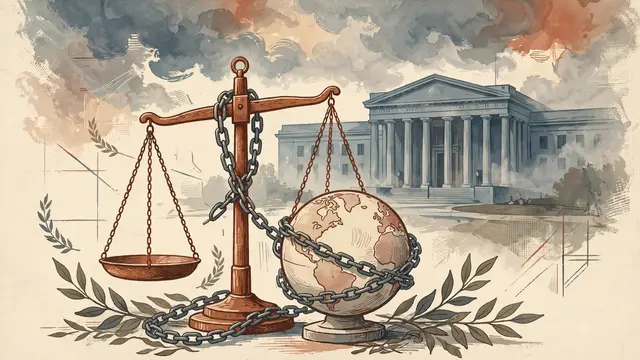
The United States is reportedly preparing to impose sanctions on the International Criminal Court (ICC) in a move that would escalate American pressure on the institution responsible for investigating war crimes globally. Sources familiar with the matter told Reuters that sanctions have been drafted, though the timing of their announcement remains undecided. The Wall Street Journal reported that a final decision could come as early as this week, coinciding with the UN General Assembly meetings.
The US administration aims to compel the ICC to drop arrest warrants issued against Israeli leaders and to halt a previous investigation into American forces in Afghanistan. In July, then-Secretary of State Marco Rubio initiated a campaign to isolate the ICC, urging other nations to withdraw from it. While Washington has previously sanctioned ICC judges and prosecutors, it has not targeted the institution itself until now.
Should the sanctions be enacted, the US Treasury Department would prohibit US citizens and companies from providing funds, goods, or services to the ICC without a license. The impact could extend to entities dealing with the court, as banks often implement measures beyond US sanctions to mitigate risks associated with dealings with targeted entities, due to their reliance on the US financial system.
President Trump's opposition to the ICC dates back to his first term and intensified after the court issued an arrest warrant in November 2024 for Israeli Prime Minister Benjamin Netanyahu, related to accusations of war crimes and crimes against humanity during the Gaza conflict.
The ICC has warned that sanctions could disrupt its daily operations, affecting IT services, insurance, investigator recruitment, financial transactions, and staff salaries. In Japan, lawmakers from various parties have urged Prime Minister Sanae Takaichi's government to clarify its stance on US sanctions against ICC President Tomoko Akane, ahead of Takaichi's upcoming address to the UN.
The same event, reported separately by each outlet. Open a few to compare what different newsrooms emphasize — and what they leave out.



Not the same event — other stories that share this one’s people, places, or theme: background, reactions, and follow-ups.




