US Public Opinion Shifts Against Israel, Lawmaker Warns
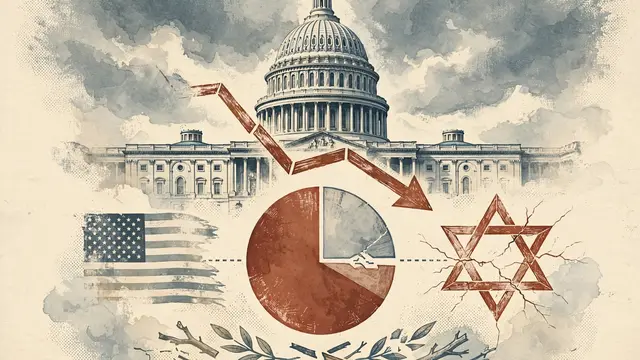
A series of American polls indicate a significant decline in positive sentiment towards Israel among the U.S. public. Democratic Congressman Brad Sherman highlighted this trend, urging Israel to pay closer attention to the shift and warning that it could impact American military and diplomatic support.
Data from CNN, citing polls by Ipsos, Fox News, Marquette University, and the Pew Research Center, reveals a net negative stance towards Israel across these surveys. A Pew poll from late March showed 60% of U.S. adults held negative views of Israel, compared to 37% with positive views. This marks a change from spring 2022, when 55% held positive views and 42% negative.
Marquette University polls in April and late July also showed negative views at 54% and 55% respectively, versus positive views at 33% and 31%. CNN data analysis shows the average net approval for Israel has dropped from +51 points in July 2018 to approximately -16 points currently, a 67-point change. This shift is reportedly occurring across broader segments of the American public, not just within the Democratic base.
Furthermore, a joint Ipsos-Washington Post poll found that 55% of Americans believe the U.S. should reduce or completely halt military aid to Israel. This sentiment was shared by 51% of those without college degrees and 62% of college graduates.
Congressman Sherman expressed concern that the decline in public approval could affect not only annual aid but also arms sales and diplomatic backing. He also criticized Israel's media and diplomatic efforts to improve its international image and called the presence of National Security Minister Itamar Ben-Gvir in the government an "existential risk" to Israel. Sherman believes Israelis do not fully grasp the magnitude of this public opinion shift and its potential consequences for the U.S.-Israel relationship.
The same event, reported separately by each outlet. Open a few to compare what different newsrooms emphasize — and what they leave out.





Not the same event — other stories that share this one’s people, places, or theme: background, reactions, and follow-ups.