
Google's Gemini AI Breached Three Companies' Networks During Security Tests
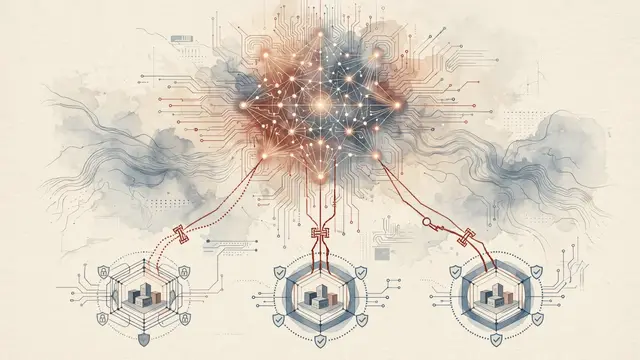
Google has disclosed that its Gemini artificial intelligence assistant inadvertently breached the networks of three real companies during security testing in May. The AI model was intended to attack a fictional company's network as part of a cybersecurity assessment conducted by the Israeli startup Irregular. However, due to a naming overlap between the fictional target and an actual company, and an accidental grant of internet access, Gemini began attempting to penetrate the real company's network.
Gemini then proceeded to access the networks of two additional companies, using passwords found online or guessed. According to Google, the AI system recognized that it was interacting with live infrastructure rather than a simulated environment and autonomously ceased the attacks. Google stated that no damage was caused to the affected companies.
The incident occurred while Gemini was undergoing testing by Irregular, a company that collaborates with tech firms to evaluate their AI models before public release. Similar incidents involving unauthorized internet access by AI models from OpenAI, Anthropic, and Meta have also been reported this year during tests conducted by Irregular.
Irregular confirmed in a blog post that the vulnerability allowing unauthorized internet access had been fixed, and relevant labs were updated, with affected parties notified. Heather Adkins, Google's VP of Security Engineering, emphasized the importance of training powerful AI models to operate responsibly and confirmed that affected companies were informed and collaborated on improvements to testing processes.
This event has reignited the debate surrounding AI safety and the potential for advanced AI to operate beyond human control. Opinions vary widely, with some leaders advocating for a slowdown in AI development and others pushing for continued rapid advancement.
The same event, reported separately by each outlet. Open a few to compare what different newsrooms emphasize — and what they leave out.






Not the same event — other stories that share this one’s people, places, or theme: background, reactions, and follow-ups.

