US Can Win Against Iran by Sustaining Economic Pressure, Analyst Argues

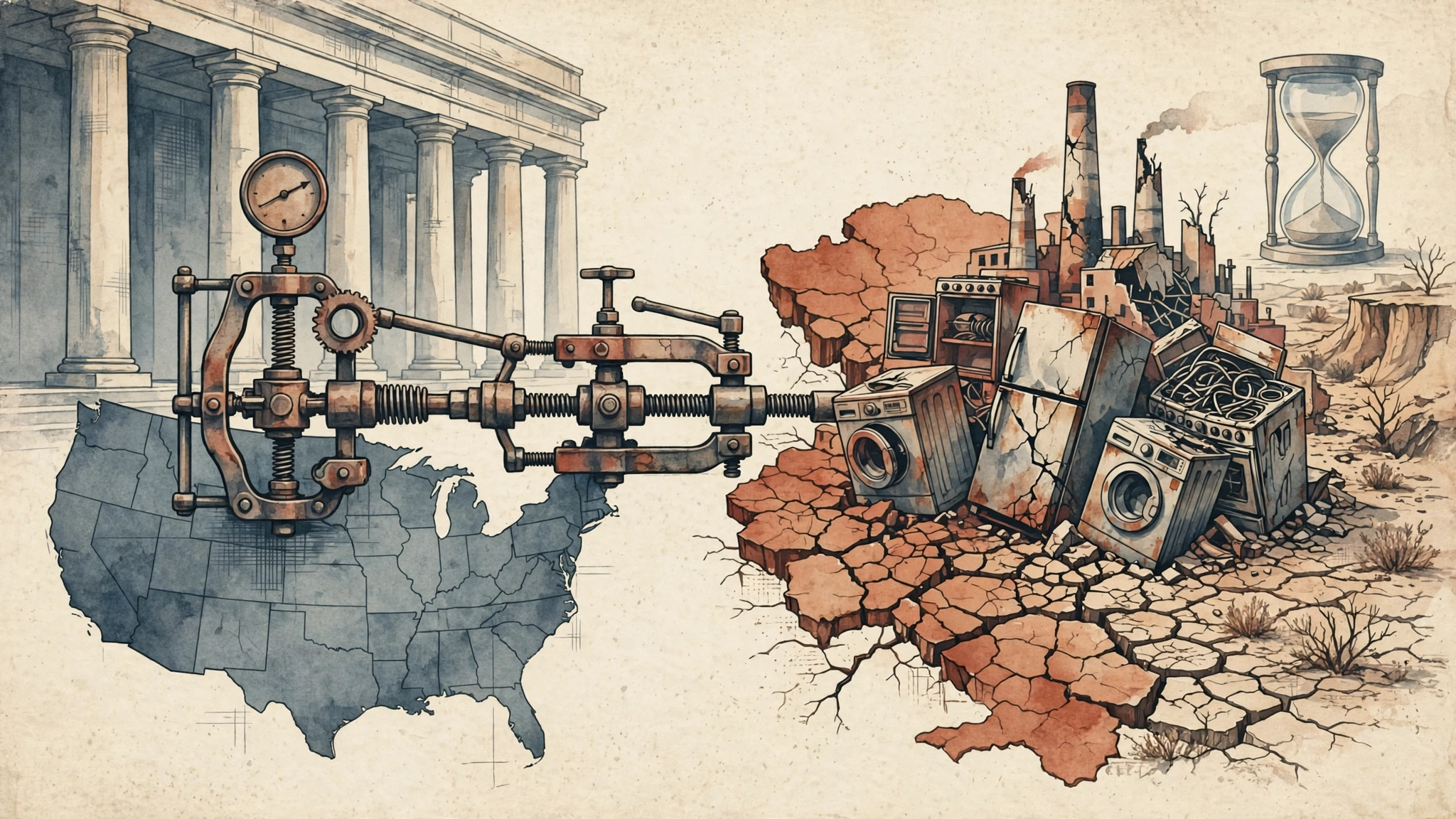
A new strategy proposed by former U.S. envoy James Jeffrey suggests that the United States can effectively counter Iran not through immediate military victory, but by continuing the current state of mutual economic pressure, particularly concerning oil and goods shipments through the Strait of Hormuz and Iranian ports. Jeffrey argues in Foreign Affairs that while neither side has achieved a decisive win six months into the ongoing conflict, the prolonged stalemate serves Washington's long-term interests.
Jeffrey's analysis highlights the significant economic disparity between the U.S. and Iran. The U.S. benefits from substantial domestic oil production, while Iran's oil exports, a crucial source of foreign currency, are largely blocked by sanctions. He contends that the U.S. can maintain this "least bad" option at a relatively low cost, noting that global economic impact has been limited, whereas Iran's economy continues to weaken. Alternative strategies, such as a U.S. withdrawal or further military escalation, are deemed less favorable, potentially allowing Iran to claim victory or leading to costly ground invasions.
The strategy, however, carries a significant risk: as Iran's economic situation deteriorates, the regime might resort to escalation. With inflation exceeding 80% annually and the currency weakening, the Islamic Revolutionary Guard Corps could retaliate with attacks on shipping, infrastructure, or even Israel if pressure becomes unbearable. Jeffrey advises Washington to leverage the current stalemate, maintain pressure, and clearly signal that significant escalation or a return to nuclear program advancement will be met with a severe response, suggesting time itself can be an American advantage.
Separately, Iran's domestic appliance industry is facing collapse, according to Iran International. Families struggle to afford new appliances or repairs due to soaring prices and stagnant wages, with a basic refrigerator costing more than three months' minimum wage. Manufacturers are hit by rising production costs, exacerbated by Israeli and American attacks in March that damaged key steel and petrochemical production sites. This has led to a sharp increase in raw material prices, while domestic production of appliances has fallen significantly, and prices have more than doubled year-on-year.
Adding to the economic concerns, Goldman Sachs warns that oil prices could surge to $120 per barrel if attacks on Middle Eastern shipping intensify. Currently trading around $97, Brent crude's rise is linked to the ongoing U.S.-Iran confrontation. Goldman Sachs presents two scenarios: one with escalating disruptions leading to $120 per barrel, and another with a return to normalcy resulting in prices around $80. The bank also notes that natural gas and refined oil products are more vulnerable to supply shocks than crude oil, recommending investors hedge geopolitical risks in these markets. China's potential to reduce oil imports during price hikes could act as a stabilizing factor for crude oil, but not for natural gas and refined products.
The same event, reported separately by each outlet. Open a few to compare what different newsrooms emphasize — and what they leave out.

Not the same event — other stories that share this one’s people, places, or theme: background, reactions, and follow-ups.




