
Trump Submits Saudi Nuclear Deal to Congress, Conditions It on Normalization with Israel
President Trump submitted the U.S.-Saudi nuclear deal to Congress, starting a 90-day review period. The deal restricts international inspections and may allow Saudi uranium enrichment. Trump conditions the agreement on Saudi normalization with Israel under the Abraham Accords. The deal aims to develop Saudi civilian nuclear energy and involves U.S. companies in infrastructure development.
הידיעה ב-6 שורות · תקציר של baba
- Trump submitted the U.S.-Saudi nuclear deal to Congress, triggering a 90-day review period.
- The deal restricts international inspectors' access to sensitive Saudi nuclear sites.
- Saudi Arabia may be allowed uranium enrichment or plutonium reprocessing after a joint study.
- Trump conditions the deal's progress on Saudi Arabia normalizing relations with Israel.
- The nuclear program aims to support Saudi civilian energy needs and boost oil exports.
- U.S. companies will play a key role in developing Saudi Arabia's nuclear infrastructure.
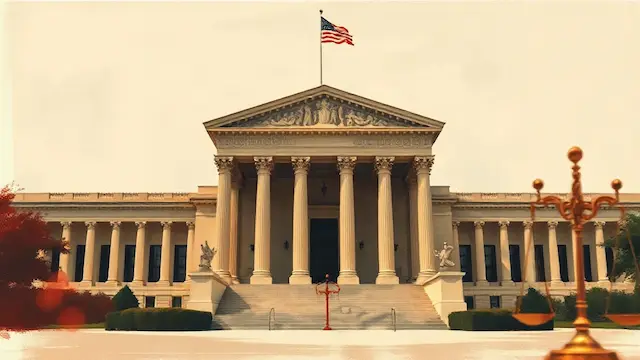
President Donald Trump has formally submitted the landmark nuclear agreement between the United States and Saudi Arabia to the U.S. Congress for review, as required by law. The submission initiates a 90-day period during which Congress will conduct intensive discussions and evaluations of the deal. If Congress does not reject the agreement by a two-thirds majority within this timeframe, it will automatically take effect. Given the president's veto power, the likelihood of congressional rejection is considered very low.
The agreement places restrictions on international inspectors' access to certain Saudi sites that could potentially be used for military nuclear fuel conversion. It also allows for the possibility that Saudi Arabia may be permitted to enrich uranium or reprocess plutonium on its soil following a joint economic feasibility study. These provisions have sparked significant criticism both within the U.S. and internationally due to concerns about nuclear proliferation.
Since signing the deal, Trump has publicly conditioned its advancement on Saudi Arabia normalizing relations with Israel by joining the Abraham Accords. A U.S. administration source confirmed to The Wall Street Journal that the president maintains this stance, stating, "The president's position has not changed: the agreement will only proceed if Saudi Arabia joins the Abraham Accords."
For Saudi Arabia, the declared goal of the nuclear program is to develop a civilian nuclear energy sector based on domestic uranium to meet local energy demands. This would enable the kingdom to export more of its oil production and increase revenues. For the United States, the deal secures a central role for American companies in building Saudi Arabia's nuclear infrastructure, effectively excluding foreign competitors.
The agreement marks a significant development in U.S.-Saudi relations and Middle Eastern geopolitics, with the normalization condition linking nuclear cooperation to broader regional diplomatic shifts involving Israel.
מוזכרים
אותו אירוע, כפי שכל מערכת דיווחה עליו בנפרד. פתחו כמה דיווחים כדי להשוות מה כל מערכת מדגישה, ומה היא משאירה בחוץ.
מרכז 4ימין 1חרדית 2אחרים 1







