
US Central Command Chief Supports Reducing Forces in Persian Gulf After Conflict
US Central Command leader Admiral Brad Cooper supports cutting US forces in the Persian Gulf and shifting some troops to Israel amid rising regional tensions and base damages. The Pentagon is debating the move, balancing strategic benefits against espionage concerns. This comes as US-Iran relations worsen following President Trump's aggressive rhetoric about the Strait of Hormuz.
הידיעה ב-6 שורות · תקציר של baba
- Admiral Brad Cooper backs reducing US forces in the Persian Gulf after recent conflict.
- Pentagon discussions consider moving troops from Gulf states to Israeli bases.
- Concerns exist about increased espionage risks with more US forces in Israel.
- Defense Secretary Pete Ghesse has not yet formally approved force reductions.
- Tensions escalate after Trump labels Strait of Hormuz as US territory.
- Iran rejects Trump's claim, calling it an "illusion" on social media.
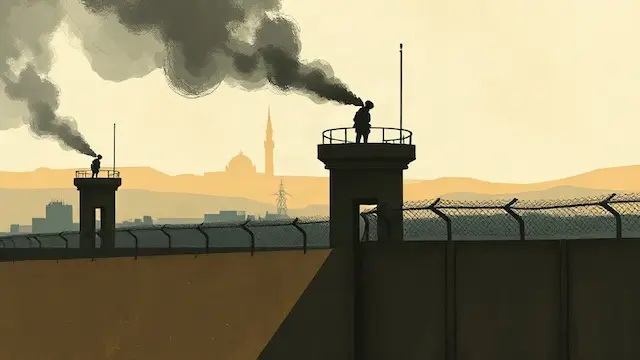
Admiral Brad Cooper, commander of the US Central Command (CENTCOM), advocates for reducing American military presence in the Persian Gulf following recent hostilities. His position has been raised in Pentagon discussions amid damage to multiple bases in the region. The Washington Post reports this is part of preliminary planning, with Defense Secretary Pete Ghesse yet to formally initiate talks on the matter.
Washington officials are considering relocating significant US forces from Gulf states to bases in Israel. However, there is internal debate due to concerns that a larger American presence in Israel could increase vulnerabilities to counterintelligence threats, given growing Pentagon worries about Israeli espionage activities.
This development follows heightened tensions between the US and Iran, including President Donald Trump’s provocative designation of the Strait of Hormuz as "new US territory" on a published map. Iran’s Deputy Foreign Minister for Legal and International Affairs responded on social media, dismissing Trump’s claim as an "illusion" that will soon be corrected.
מוזכרים
אותו אירוע, כפי שכל מערכת דיווחה עליו בנפרד. פתחו כמה דיווחים כדי להשוות מה כל מערכת מדגישה, ומה היא משאירה בחוץ.
מרכז 3ימין 1חרדית 2






לא אותו אירוע: ידיעות אחרות שחולקות עם הידיעה הזו אנשים, מקומות או נושא. רקע, תגובות והמשכים.
