
Public Broadcaster Criticized for "Mosquito Protocol" Report
תומצת מתוך Makor Rishon על ידי baba
Columnist Kalman Liebskind of the public broadcaster Kan condemned a recent report on the "Mosquito Protocol," which allegedly details IDF use of Gazan civilians as human shields. Liebskind stated the report is a "red line" and will be used by Israel's enemies. He argued the report ignores the context of the war, initiated by Hamas's October 7th attack, and the difficult battlefield realities faced by soldiers. The report, he believes, unfairly judges the IDF and damages Israel's image.
הידיעה ב-6 שורות · תקציר של baba
- Columnist Kalman Liebskind called a report on the "Mosquito Protocol" a "red line" and a "stain" on the public broadcaster.
- The report allegedly details IDF use of Gazan civilians as human shields during combat.
- Liebskind claims the report will be used by Israel's enemies to portray the IDF negatively.
- He argues the report ignores the context of the war, which began after the October 7th Hamas attack.
- Liebskind criticized the report's editor, Chen Lieberman, for speaking on behalf of soldiers.
- The report aired on the Kan public broadcaster's program "Zman Emeth" (Real Time).
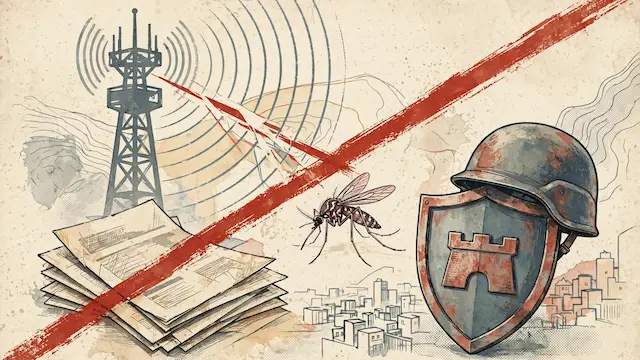
A columnist for the public broadcaster Kan, Kalman Liebskind, has expressed deep shame and disappointment over a recent investigative report aired by the network. The report, titled "Mosquito Protocol," detailed the alleged use of Gazan civilians by Israeli forces as human shields during combat operations in Gaza, a practice Liebskind deems a "red line" and a "stain" on the public broadcaster's reputation.
Liebskind argues that the report, aired on the program "Zman Emeth" (Real Time), will be used by Israel's detractors worldwide to portray the IDF as Nazi-like. He criticizes attempts to deflect blame onto the government or military leadership, stating that the international audience will focus on the alleged mistreatment of Gazans, such as using them without helmets or for trivial purposes, rather than on the complexities of the war or Israeli efforts to minimize civilian casualties.
He contends that the report ignores the context of the war, which began after Hamas's October 7th attack on Israel, and the necessity for soldiers to improvise solutions when facing an enemy embedded within civilian areas. Liebskind shares a personal anecdote from the Second Lebanon War, questioning critics who advocate for stricter rules of engagement without being willing to lead the charge themselves.
Liebskind also criticizes the central Israeli press for what he perceives as a campaign against the government and the perceived cynical use of soldiers and bereaved families. He believes the report unfairly judges the IDF's actions, particularly given the surprise nature of the war and the enemy's tactics. He concludes by urging the report's editor, Chen Lieberman, to stop speaking on behalf of soldiers and to acknowledge that the war was a response to a brutal invasion, not a fight for abstract values.
להמשיך לעקוב
מוזכרים
אותו אירוע, כפי שכל מערכת דיווחה עליו בנפרד. פתחו כמה דיווחים כדי להשוות מה כל מערכת מדגישה, ומה היא משאירה בחוץ.
ימין 2

לא אותו אירוע: ידיעות אחרות שחולקות עם הידיעה הזו אנשים, מקומות או נושא. רקע, תגובות והמשכים.


