
Israel Faces Widespread Phishing and Impersonation Cyberattacks
Israel is facing a widespread cyberattack campaign involving phishing and impersonation messages targeting citizens. The National Cyber Directorate warned of fraudulent messages impersonating the Tax Authority and Israel Police, aiming to steal personal data and gain control of mobile devices. Authorities are working to block malicious links and advise the public to avoid clicking suspicious links and to verify official requests independently.
הידיעה ב-5 שורות · תקציר של baba
- Israel's National Cyber Directorate warns of widespread phishing and impersonation cyberattacks.
- Fraudulent messages impersonate the Tax Authority and Israel Police to steal data.
- Malicious apps can grant attackers full remote control of Android phones.
- SMS messages impersonate police, demanding payment for traffic tickets.
- Authorities urge public to avoid clicking suspicious links and verify official requests.
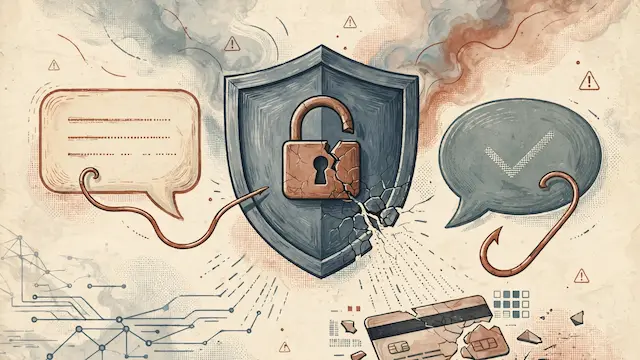
Israel is currently experiencing an unusual and extensive wave of phishing and impersonation cyberattacks, the National Cyber Directorate warned on Tuesday. Numerous reports from the public detail two main types of fraudulent messages impersonating state authorities, specifically the Israel Police and the Tax Authority. These messages, distributed widely, contain dangerous links designed to steal credit card details and personal information, and in some cases, to gain remote control of mobile phones.
The first type of attack impersonates the Tax Authority and is spread via WhatsApp from foreign phone numbers. These messages address the recipient by name, promise a tax refund, and direct them to a link for downloading a malicious application intended for Android devices. According to the National Cyber Directorate's experts, once a user installs the app and grants it permissions, attackers could gain full access to device messages, one-time authentication codes, the phone's camera, and even achieve complete remote control.
The second type of attack impersonates the Israel Police and is sent via SMS. These messages demand payment for a traffic ticket, threatening additional fines for delayed payment. The accompanying link leads to a fake website aimed at stealing victims' payment and credit card details.
The National Cyber Directorate is actively working to locate and disable malicious links and urges the public to assist by reporting suspicious links on the National Cyber Portal. They advise users to avoid clicking on links in messages, even if they appear to be from official sources. Payment demands and official inquiries should only be verified by independently visiting the official websites of the relevant bodies. Personal details, credit card information, or authentication codes should never be shared in response to such messages. Apps should only be downloaded from official app stores, not through links in messages.
Individuals who have clicked on a suspicious link and installed a malicious app are urged to seek assistance immediately. Those who have provided credit card details should contact their bank or credit card company to block the card. For reporting and immediate assistance, the National Cyber Directorate can be reached at 119.
להמשיך לעקוב
מוזכרים
אותו אירוע, כפי שכל מערכת דיווחה עליו בנפרד. פתחו כמה דיווחים כדי להשוות מה כל מערכת מדגישה, ומה היא משאירה בחוץ.
אחרים 2

לא אותו אירוע: ידיעות אחרות שחולקות עם הידיעה הזו אנשים, מקומות או נושא. רקע, תגובות והמשכים.

