
Fuel Prices in Israel Nearing Record High Amid Global Tensions
Gasoline prices in Israel are expected to rise significantly, potentially reaching 9 shekels per liter due to increased global oil prices and the possible end of a tax reduction. Finance Minister Bezalel Smotrich's decision on extending the 1 shekel per liter discount by Saturday will determine if prices jump from 7.77 to 8.77 shekels. Economists warn this could increase inflation by 0.5% and impact the cost of living.
הידיעה ב-6 שורות · תקציר של baba
- Israeli gasoline prices may hit 9 shekels per liter due to oil costs and a potential tax cut expiration.
- The 1 shekel per liter fuel tax reduction is set to expire this Saturday.
- Finance Minister Bezalel Smotrich will decide on extending the tax reduction soon.
- Global oil prices have risen to $110 per barrel amid the Strait of Hormuz crisis.
- An extended fuel subsidy would cost an additional 300 million shekels in November.
- Inflation could rise by 0.5% in November due to higher fuel costs.
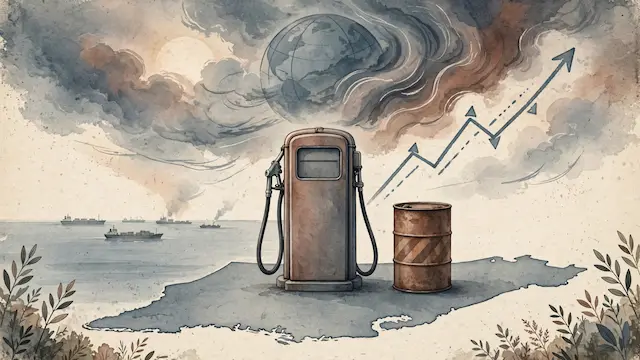
The price of gasoline in Israel is poised to surge in the coming days, potentially approaching 9 shekels per liter for the first time. This sharp increase is attributed to two primary factors: rising global oil prices driven by the crisis in the Strait of Hormuz, and the possible discontinuation of a 1 shekel per liter tax reduction on fuel.
This tax reduction, initially ordered by Finance Minister Bezalel Smotrich in early October, is set to expire this coming Saturday. If Smotrich does not sign an order extending it, the price of 95-octane gasoline is expected to jump from its current 7.77 shekels to 8.77 shekels, even before accounting for fluctuations in oil prices and the dollar exchange rate.
Global oil prices have climbed to approximately $110 per barrel in the last two months due to the tensions in the Strait of Hormuz. Dr. Amit Mor, CEO of Eco Energy, warned that if oil prices continue to rise and the dollar does not weaken, gasoline prices could indeed approach 9 shekels per liter, significantly impacting the entire economy.
Economists predict that the fuel price hike could increase inflation in Israel by about half a percent in November alone. This is partly due to increased transportation costs and the potential rise in prices for other goods and services, exacerbating the cost of living.
The Ministry of Finance has not yet made a final decision on extending the fuel tax reduction. Officials indicated that Smotrich will determine the policy closer to the date of the next fuel price setting, depending on developments in oil prices and currency exchange rates. Extending the subsidy comes with a substantial budget cost, nearing half a billion shekels to date, with an additional 300 million shekels expected if the reduction continues through November.