
Iran explores charging tolls on Strait of Hormuz traffic
תומצת מתוך Behadrei Haredim על ידי baba
Iran is weighing a plan to charge ships for passage through the Strait of Hormuz, with officials saying the fees could bring in $40 billion a year. The proposal has drawn a sharp rejection from US Secretary of State Marco Rubio, while Oman says any future arrangement cannot include transit tolls.
הידיעה ב-5 שורות · תקציר של baba
- Iran says shipping fees in Hormuz could generate $40 billion annually.
- The plan would cover security, safety, and environmental services.
- Marco Rubio called tolls on international waterways unacceptable.
- Oman said any future Hormuz deal will exclude transit fees.
- Iran and Oman said talks focused on future management services and costs.
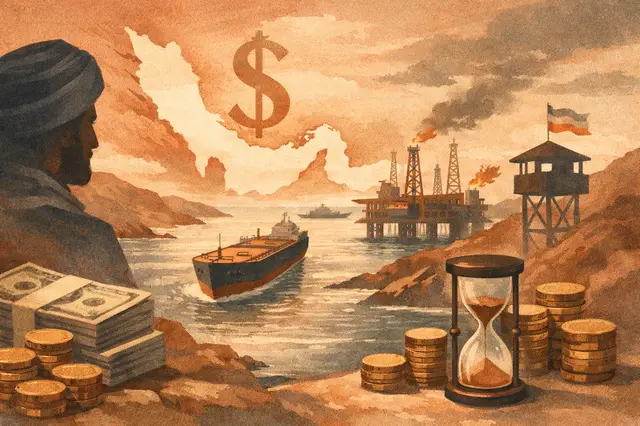
Iran is considering a plan to collect fees on shipping through the Strait of Hormuz, with officials estimating that charges for security, safety and environmental services could generate $40 billion a year for the parties involved, according to people familiar with the discussions cited by The Wall Street Journal. The idea would give Tehran cash flow and a level of control it has not had before the war.
Iran is examining international examples, including the Dardanelles in Turkey, where ships pay a fee to pass between the Aegean Sea and an international waterway. To build support, Tehran is promoting the concept across the wider Middle East and even in Beijing, while also seeking to bring Persian Gulf neighbors into the arrangement so they would share the revenue.
Mohammad Bagher Ghalibaf, Iran’s chief negotiator, said during a visit to Oman on Tuesday that discussed proposed arrangements with the country across the waterway, “Everyone should know that the management of the strait will never return to what it was before.” Iran’s state media said the country has already set up an insurance company for vessels crossing the strait and warned that travel outside designated routes is extremely dangerous and forbidden.
US Secretary of State Marco Rubio rejected the idea during his Middle East trip this week, saying in Bahrain that charging tolls or fees would set a dangerous precedent and create chaos. “The reality is that no country on Earth is entitled to charge for the use of international waterways, and that will never be an acceptable condition in any deal,” he said. He added that Persian Gulf states had already rejected the toll proposal. Oman, which recognizes an agreement banning waterway tolls, reiterated through Foreign Minister Badr al-Busaidi in Bahrain that any future Hormuz arrangement would not include transit fees. After this week’s talks, Iran and Oman said their discussions focused on the services needed to manage the strait in the future and the associated costs.
מוזכרים
אותו אירוע, כפי שכל מערכת דיווחה עליו בנפרד. פתחו כמה דיווחים כדי להשוות מה כל מערכת מדגישה, ומה היא משאירה בחוץ.
מרכז 3ימין 1חרדית 2





