
Analysis: US-Iran draft deal gives Tehran major relief while leaving key nuclear issues unresolved
An N12 analysis says a draft US-Iran framework would give Tehran sanctions relief, frozen assets, and a pause in fighting while leaving core nuclear issues unresolved. The article warns the deal omits missile and proxy limits, lacks strong enforcement, and could amount to a regional reset that disadvantages Israel.
הידיעה ב-5 שורות · תקציר של baba
- Iran would get sanctions relief, frozen assets, and a return to oil exports.
- Key nuclear issues, including enrichment and centrifuges, are deferred to later talks.
- The draft reportedly excludes missile and proxy restrictions and lacks a clear snapback mechanism.
- The Strait of Hormuz would reopen within 30 days if Iran clears mines and hazards.
- A final deal is supposed to be reached within 60 days, with possible extension.
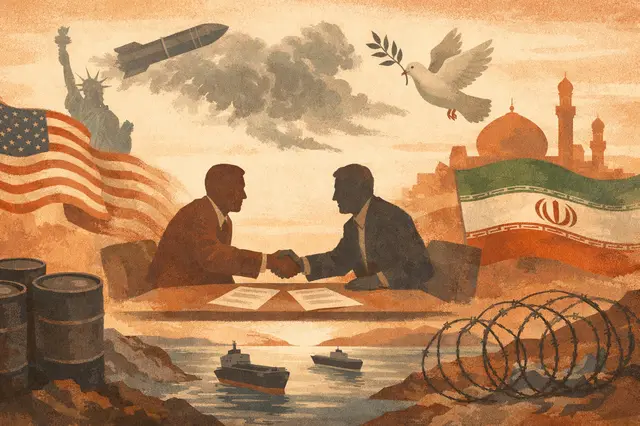
Iran has reportedly been offered major economic relief and a pause in hostilities in return for a commitment not to build nuclear weapons, according to Avner Vilen, an Iranian nuclear expert, in an N12 analysis published June 17, 2026 and updated June 18, 2026. He argues the emerging US-Iran framework is a bad deal that effectively lets Washington and Tehran dictate the regional order while sidelining Israel and other Middle Eastern actors.
Under the draft, fighting would stop immediately and the parties, along with their partners, would cease hostilities. Vilen says that in practice this would also mean Israel, though not a party to the deal, would be expected to stop firing. In return, Iran would quickly gain an economic lifeline, including relief from sanctions on oil and refined product exports, access to frozen assets estimated at more than $100 billion, and potentially billions of dollars a month while talks continue. He says the Strait of Hormuz would be reopened within 30 days, though Iran would first have to clear mines and other hazards from the waterway.
The framework reportedly gives the sides 60 days to finish a final agreement, with the option of extension. Vilen says the final package appears to predefine broad outcomes, including full lifting of sanctions, withdrawal of US forces from the region, and possibly a $300 billion reconstruction fund backed by the US and regional partners. He notes that the draft does not clearly limit enrichment, centrifuges, or Iran’s nuclear sites, and leaves those issues for later.
Vilen also warns that the text contains no explicit limits on ballistic missiles, rockets, or proxy forces, and no clear snapback mechanism to restore sanctions if Iran cheats. He says the agreement could end up being a long-term rehabilitation plan for Iran’s regional war machine. If no final deal is reached, he says the greatest risk is that sanctions will not truly return and Iran will keep the money, the uranium, and the leverage of Hormuz.
מוזכרים
אותו אירוע, כפי שכל מערכת דיווחה עליו בנפרד. פתחו כמה דיווחים כדי להשוות מה כל מערכת מדגישה, ומה היא משאירה בחוץ.
מרכז 5ימין 2חרדית 2אחרים 2










