
Trump’s Iran Threats Drive Israel’s Defense Costs to Over 51 Billion Shekels
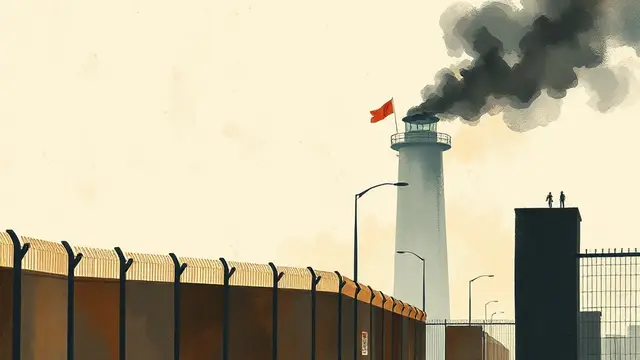
Over the past weekend, the Israel Defense Forces (IDF) faced the closest point to a renewed regional conflict with Iran since April, when US President Donald Trump halted Israeli strikes after about 40 days of joint operations with the US military. Trump’s sharp warnings via his social media platform Truth about imminent attacks on Iran’s energy infrastructure, coupled with Iran’s threats to retaliate against energy facilities in the Gulf and Israel, including Mediterranean gas rigs, forced the IDF and Israel’s security apparatus to rapidly mobilize within hours. This emergency deployment involved air force pilots, technical units, ground crews, air defense systems, intelligence units, and rescue teams, significantly increasing military readiness along Israel’s northern border and Lebanon amid fears of escalation with Hezbollah.
Despite Trump’s later calming tweets suggesting a return to negotiations and Iran’s willingness for an agreement, the financial toll of these alerts has surged. Each readiness phase costs hundreds of millions of shekels without any shots fired, involving thousands of reservists called up, urgent replenishment of supplies, and troop redeployments. Since the second Iran conflict began in late February and escalated with Lebanon, including a 17-hour battle in June where Iran launched over 20 missiles at Israel, the cumulative cost has risen from an estimated 39 billion shekels in April to 51 billion shekels as of early October.
This financial strain comes amid severe manpower shortages in the IDF, with about 12,000 regular combat soldiers missing and ongoing challenges in recruiting ultra-Orthodox soldiers. The military continues to operate on multiple fronts in Gaza, Syria, Lebanon, and the West Bank, stretching its forces thin. The number of reservists called daily has exceeded planned limits, reaching around 65,000 instead of the targeted 40,000 by 2026.
Meanwhile, the Defense Ministry has been waiting for about a month for the Finance Ministry’s budget department to release promised funds following protracted negotiations mediated by the National Security Council. The agreed 2026 defense budget increase of approximately 40 billion shekels would raise the total to 183 billion shekels, covering ongoing Iran conflict costs and partially repaying over 15 billion shekels owed to defense industries. Immediate transfer of 15 billion shekels from treasury reserves was expected, with the remaining 25 billion shekels to be decided in October and November based on military expenditures.
Delays in budget approvals and authorizations for long-term weapons procurement commitments, set at 350 billion shekels over a decade, risk postponing critical arms acquisitions. The Finance Ministry recently promised to transfer funds within days, but the Defense Ministry remains skeptical after repeated delays, continuing to await the necessary financial support to sustain Israel’s heightened military readiness and strategic needs.
The same event, reported separately by each outlet. Open a few to compare what different newsrooms emphasize — and what they leave out.





Not the same event — other stories that share this one’s people, places, or theme: background, reactions, and follow-ups.
