
Netanyahu Faces Backlash from Ultra-Orthodox Parties Over Military Draft Law
Prime Minister Benjamin Netanyahu has sparked criticism from the ultra-Orthodox Jewish party United Torah Judaism after announcing plans to pass a "full draft law" following the upcoming elections. United Torah Judaism chairman MK Yitzhak Goldknopf condemned Netanyahu's previous "arrest exemption law" as a failed tactic that did not resolve the issue and stated his party will only cooperate with those who formalize the status of yeshiva students and married Torah scholars (avreichim).
Goldknopf accused Netanyahu of never intending to regulate the status of yeshiva students or pass a draft law, which led to their exit from the government. Another senior party member added that Netanyahu failed to fulfill his promise to pass the draft law, a key concern for the ultra-Orthodox public, and preferred to divide the nation over judicial reforms. They said they would rather sit in opposition than support a government that returns to the current stalemate.
Netanyahu reportedly told a closed session that the temporary arrest exemption law aimed to reduce tensions and increase ultra-Orthodox enlistment but ultimately failed, so it will not continue in the next government. He pledged to form a broad national government after the elections to immediately pass a comprehensive draft law requiring those not studying Torah to enlist or face imprisonment.
This stance has also drawn criticism within Netanyahu's Likud party, with a senior member calling the campaign against draft evasion supporters an insult to intelligence and blaming the law for significant political damage. Netanyahu's campaign against the ultra-Orthodox has intensified recently, including public rebukes of ultra-Orthodox leaders criticizing religious soldiers.
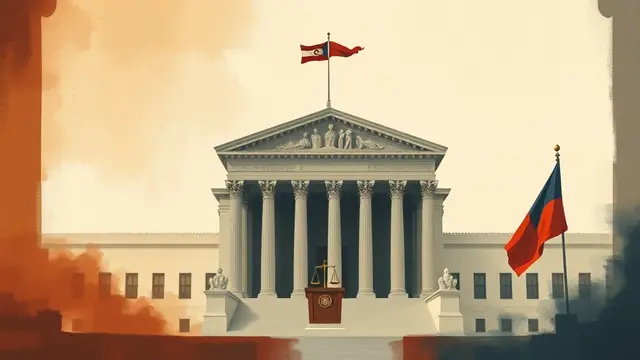
The controversial arrest exemption law passed last month with a narrow majority but was immediately suspended by the Supreme Court, which ruled it violated equality principles, ignored previous rulings on military service, and encouraged draft evasion. A nine-justice panel last week sharply criticized the law, emphasizing the severity of discriminatory criminal enforcement during wartime and military manpower shortages.
The same event, reported separately by each outlet. Open a few to compare what different newsrooms emphasize — and what they leave out.










Not the same event — other stories that share this one’s people, places, or theme: background, reactions, and follow-ups.