
Study Finds Carrefour Cuts Prices on Discount Basket but Raises Others, Limiting Overall Savings
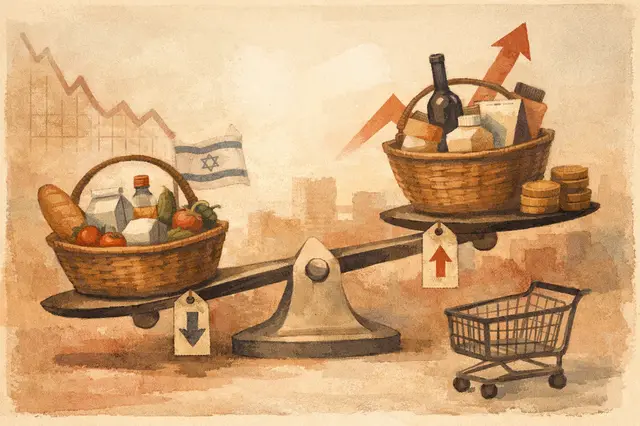
A study by Tel Aviv University's Faculty of Management analyzed the impact of Israel's "Basket of Israel" program, which aimed to reduce grocery costs through a government-backed initiative. Carrefour, the sole supermarket chain to participate and receive a 50 million shekel annual public funding campaign, lowered prices on selected basket products by about 35% in participating stores. However, the chain simultaneously raised prices on many other products outside the basket, sometimes significantly.
For example, prices for Lotus biscuits increased by 13.5% to 14.1 shekels at Carrefour, while competitor Victory reduced the same product by 2.9%. Persil laundry gel rose 17.8% to 36.3 shekels in Carrefour’s basket stores, whereas Shufersal Deal lowered it by 3%. Shampoo prices also increased at Carrefour, with Neka 7 shampoo up 14.1% and Head & Shoulders shampoo up 7.4%, while competitors like Shufersal and Rami Levy cut prices. These price hikes were observed in 46 of 76 product categories examined, with 23 showing statistically significant increases.
The study, conducted two months after the program's launch, found that competing supermarket chains largely did not respond with price cuts, contradicting Economy Minister Nir Barkat’s recent claims that non-participating chains reacted with discounts. Discount chains like Machsanei Hashuk and Half Free showed moderate price reductions of 10% and 5% respectively, but major chains such as Shufersal did not significantly lower prices.
Online sales at Carrefour showed even broader price increases in 55 of 76 categories, with some categories rising by up to 14%. Overall, while basket product prices dropped sharply in Carrefour stores, prices for popular non-basket items increased by about 1.5% in physical stores and 2% online. The researchers concluded that the program's net effect on the cost of living is limited and may even be counterproductive, as consumers save on some items but pay more on others.
The research was led by Prof. Itay Atar and Adi Omer from Tel Aviv University and Dr. Or Avishi-Riz from Pompeu Fabra University in Barcelona. It analyzed daily price data from over 2,000 stores across Israel during the first seven weeks of the program. The findings suggest that large supermarket chains set prices nationally rather than competing locally, limiting the program’s competitive impact.
The same event, reported separately by each outlet. Open a few to compare what different newsrooms emphasize — and what they leave out.








Not the same event — other stories that share this one’s people, places, or theme: background, reactions, and follow-ups.




Ask About This Article
Duki reads it, and every newsroom on the same story, then answers with sources.