Israeli Mental Health Support Sees Surge in Loneliness and Suicidal Ideation Calls
Translated & summarized from Channel 13 by baba
The story in 5 lines · by baba
- Loneliness is now the top reason for mental health support calls in Israel.
- Suicidal ideation calls nearly doubled among youth aged up to 24.
- ERAN handled over 928,000 mental health support interactions in three years.
- Reservist soldiers reported increased loneliness due to service length.
- Calls about sexual violence among soldiers also saw an increase.
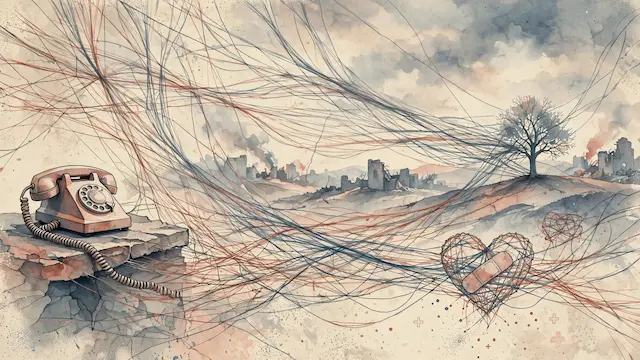
Three years into the war that began on October 7, the Israeli mental health support organization ERAN has released data revealing a significant increase in calls related to loneliness and suicidal ideation. Between October 2023 and October 2026, ERAN handled a total of 928,911 calls and online interactions, supported by approximately 1,850 volunteers and professional staff. Of these, 154,307 were through online services like chat, WhatsApp, and email, while 774,604 were via phone hotlines.
The nature of distress has shifted over the three-year period. Loneliness emerged as the most frequent reason for contact, rising from 28.2% in the first year to 41% in the third year, meaning over 40% of all calls in the latter period concerned loneliness. While calls about anxiety, trauma, and loss have relatively decreased, ERAN attributes this not to a disappearance of distress, but to a change in the composition of issues being reported. The rate of calls involving suicidal thoughts or intentions remained low, averaging 2.35% across the general population and stable compared to the pre-war period.
Demographically, the gender distribution of callers remained consistent, with 56% women and 44% men. However, there was a notable increase in calls from teenagers and young adults up to age 24, and from individuals aged 35 to 44, including those with families and reservist soldiers. For active-duty and reserve soldiers, who made around 160,000 calls over three years, the focus shifted from immediate threats and anxiety to profound loneliness, which constituted 41% of their calls in the latter two years. ERAN suggests this loneliness stems from extended service periods and difficulties in returning to routine life.
Among soldiers, calls related to sexual violence and assault rose from 5% in the first year to 10% in the second, then 8% in the third, while suicidal ideation calls remained stable at 1%. Men accounted for about 60% of soldier calls, and women for 40%.
A particularly concerning trend was observed among children, teenagers, and young adults up to age 24, who made approximately 194,580 calls over three years, with 67,140 in the last year alone. In this age group, the rate of calls involving suicidal thoughts or intentions nearly doubled, increasing from 2.6% in the first year to 4.4% in the third, significantly higher than the general population average. Loneliness also surged among youth, from 15% to 23%, with interpersonal relationships being another major focus at about 28% of their calls.
ERAN CEO David Koren emphasized that each call represents an individual struggling with pain, loss, anxiety, or loneliness, and that the organization strives to provide a safe space. National Professional Manager Dr. Shiri Daniels stressed the importance of recognizing distress signals, directly asking about suicidal ideation, and ensuring accessible support lines before crises deepen.
The same event, reported separately by each outlet. Open a few to compare what different newsrooms emphasize — and what they leave out.
Centre 4Right 1




Not the same event — other stories that share this one’s people, places, or theme: background, reactions, and follow-ups.