
Nearly 1 Million Calls to Mental Health Hotlines in Israel Over Three Years of War
Translated & summarized from i24NEWS by baba
The story in 5 lines · by baba
- ERAN received 928,911 calls over three years of war.
- Loneliness calls rose to 41% among the general population.
- Suicidal content calls nearly doubled among youth.
- Soldiers reported increased violence and sexual assault.
- Overall suicidal call rates remain below pre-war levels.
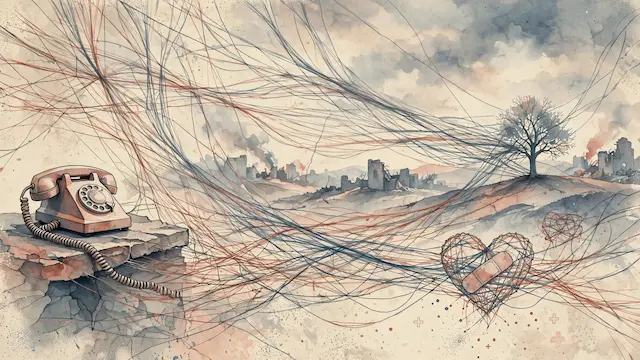
ERAN, a mental health support organization, released data Tuesday revealing the significant psychological toll of three years of ongoing conflict in Israel. The organization's hotlines received a total of 928,911 calls from civilians, soldiers, and youth nationwide during this period. Over 774,000 of these were phone calls, with the remainder coming through digital and WhatsApp channels.
While the third year saw a slight decrease in overall call volume to approximately 291,000, compared to about 320,000 in the second year, specific distress indicators showed worrying increases. Calls related to loneliness among the general population rose from 28% in the first year of the war to 41% in the third year.
A particularly concerning trend was observed among youth and teenagers, where calls involving suicidal content, thoughts, intentions, or actions, nearly doubled, increasing from 2.6% in the first year to 4.4% in the third. Among soldiers, reports of violence and sexual assault saw an increase, accounting for 8% of calls in the past year, down from a peak of 10% in the second year.
Over the three years, a total of 21,829 calls contained suicidal content. ERAN noted, however, that the overall rate of suicidal calls remained lower than pre-war levels, at around 2.35% compared to approximately 3% previously.
"The three years of war have presented us with a difficult and ongoing reality. Behind every call is a person dealing with pain, loss, anxiety, loneliness, or burnout," said David Koren, CEO of ERAN. "We work tirelessly to provide every caller with a safe space to share and ensure they are not carrying the burden alone." Dr. Shiri Daniels, the National Professional Manager at the organization, added, "The data reminds us that precisely within the illusion of routine, it is important to see those who are struggling, to identify signs of distress, and to ask directly about suicidal ideation to offer help before the distress deepens."
The same event, reported separately by each outlet. Open a few to compare what different newsrooms emphasize — and what they leave out.
Centre 3Right 1



Not the same event — other stories that share this one’s people, places, or theme: background, reactions, and follow-ups.


