
Early Flu Outbreak Strains Hospitals Ahead of Winter
Translated & summarized from Behadrei Haredim by baba
The story in 5 lines · by baba
- Hospitals report a significant early rise in flu admissions, primarily Influenza A.
- Older adults and those with underlying conditions face higher risks of severe complications.
- Doctors recommend prompt flu vaccination to prevent severe illness.
- Key warning signs for emergency medical attention include breathing difficulties and confusion.
- Some patients present with symptoms similar to COVID-19, requiring diagnostic tests.
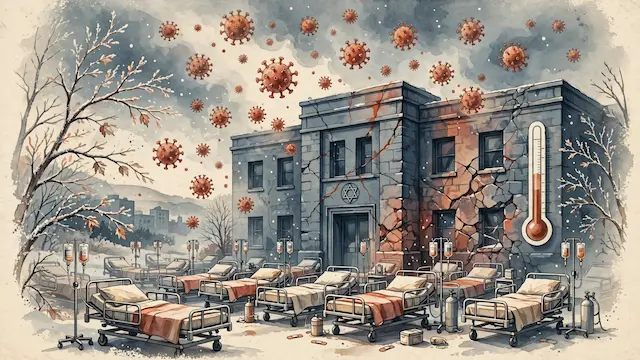
Hospitals across Israel are experiencing an early and significant surge in flu admissions, with some facilities reporting dozens of cases, primarily of Influenza A. Doctors note that while younger individuals often experience mild to moderate symptoms like fever and cough, older adults and those with underlying health conditions are more susceptible to severe complications such as pneumonia and hospitalization. At the Galilee Medical Center, Dr. Khalad Attala, director of the emergency room, stated that severe cases have led to hospitalizations, including a pregnant woman who required intensive care. Similarly, Sheba Medical Center is seeing a notable increase, with Professor Gili Regev, director of infection control, observing three to four flu admissions daily, a stark contrast to the usual zero or one patient during this period in previous years. Sheba is also seeing severe flu cases, which is considered rare. The risk of severe illness is elevated for individuals aged 65 and above, as well as those with heart and lung diseases and smokers. Complications, rather than the flu itself, are frequently the reason for admission, with pneumonia and shortness of breath being common. Myocarditis, an inflammation of the heart muscle, is a rarer but potentially serious complication that can affect young people. The Emek Medical Center in Afula is also observing an increase in flu cases, with some patients testing positive for COVID-19 due to overlapping symptoms, highlighting the importance of laboratory testing. Shaare Zedek Medical Center is admitting two to four flu patients at any given time, alongside COVID-19 cases, and is prepared for a larger outbreak. Professor Shmuel Benenson, director of infection prevention, advises the public to get vaccinated against the flu promptly, as it takes about two weeks for the body to develop immunity. He emphasized that while vaccination may not prevent all infections, its primary goal is to reduce the likelihood of severe illness. Dr. Attala also outlined critical warning signs that necessitate immediate emergency room visits, including significant shortness of breath, decreased oxygen saturation, chest pain, altered consciousness, confusion, and dehydration. Patients diagnosed with the flu are advised to rest at home to avoid spreading the virus.
Mentioned


