
Flydubai Expansion and Lax Screening Allowed Radicalized Pilot Access to Aircraft
Translated & summarized from Israel Hayom by baba
The story in 5 lines · by baba
- Lax screening and unchecked expansion by Flydubai enabled a terrorist to pilot a plane.
- The airline's accelerated pilot training program led to less rigorous vetting.
- Oman and Israel also failed to properly address concerns about the pilot.
- Global demand for pilots is high, with a significant shortage projected.
- Security experts noted the failure despite strong intelligence capabilities.
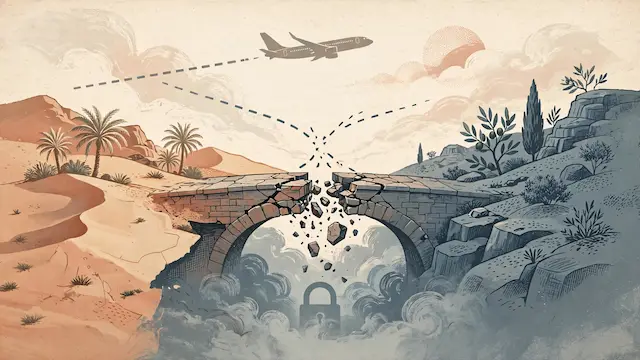
A comprehensive investigation by The Wall Street Journal has revealed that a combination of lax screening, unchecked expansion by Flydubai, and failures in several countries, including Israel, enabled Hamam Mohamad Al-Hamami, the terrorist from the Flydubai flight, to take control of an aircraft. The airline, which began operations in 2009, has undergone significant expansion, employing over 1,300 pilots who fly to 140 destinations. Flydubai launched an "ab initio" pilot training program last year to meet global demand, which is currently at a peak with a projected need for an additional 267,000 commercial pilots by the mid-2030s. This accelerated program reportedly led to less rigorous screening, allowing Al-Hamami, who had previously been rejected by two other companies, to be hired.
Oman also failed to properly handle the situation, according to sources familiar with the matter. While international aviation licensing is largely handled nationally, Oman's official revocation of Al-Hamami's license due to concerns could have been reported to the UAE authorities. Warnings about radicalization concerns should also have been shared with other Gulf states.
Furthermore, Israel should have been aware of Al-Hamami's presence in the cockpit. Security experts told The Wall Street Journal that the failure is particularly striking given the surveillance and intelligence capabilities of the UAE and Israel, as well as the clear threats along the flight path Al-Hamami was permitted to fly. "If this was indeed a deliberate jihadist terrorist attack, then failures occurred at multiple levels, long before we get to the possibility that someone missed something in security checks," stated Matthew Burris, Deputy Director of Intelligence and Co-founder at Osprey Flight Solutions.
Mentioned
The same event, reported separately by each outlet. Open a few to compare what different newsrooms emphasize — and what they leave out.
Right 2Other 1


Not the same event — other stories that share this one’s people, places, or theme: background, reactions, and follow-ups.