
Second Hakafot Celebrations Held Across Israel Following Simchat Torah
Translated & summarized from Ynet by baba
The story in 5 lines · by baba
- Second hakafot celebrations are being held nationwide after Simchat Torah.
- Events are taking place in Sderot, Kiryat Shmona, and Tel HaShomer.
- These celebrations involve dancing and singing with Torah scrolls.
- Students visited hospitalized patients at Sheba Medical Center.
- Celebrations are also occurring within the Haredi community.
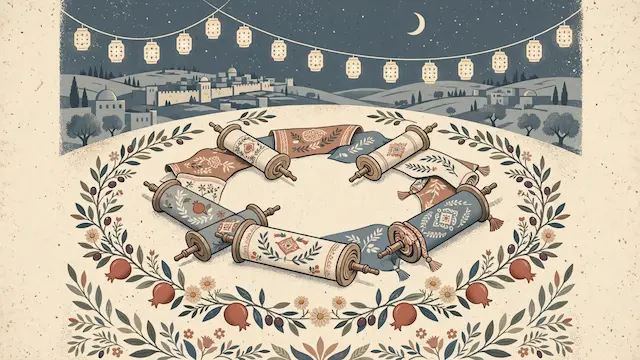
Following the conclusion of the Simchat Torah holiday, "second hakafot" (hakafot sheniyot) celebrations are taking place across Israel on Saturday night. These events involve large crowds dancing and singing with Torah scrolls, continuing the holiday's joy. In Sderot, which is holding mass second hakafot events three years after celebrations were disrupted by a terror attack in the western Negev, the festivities include the city's mayor and the Commander of the Southern Command, General Yaniv Asor. Similar celebrations are occurring in Kiryat Shmona's "Kikar Tzahala" square, featuring the local Hesder Yeshiva's orchestra and participation from residents and the mayor. Hundreds of students from the Bnei Akiva Yeshiva in Givat Shmuel, led by their head Rabbi Shraga Frochter, visited Sheba Medical Center at Tel HaShomer to dance and bring joy to hospitalized patients, including the sick and wounded, as part of the second hakafot. Celebrations are also underway in the Haredi community, with notable events in the Gur Hasidic prayer house in Jerusalem, led by the Rebbe, Rabbi Yaakov Aryeh Alter. The custom of second hakafot aims to extend the joy of the Sukkot and Simchat Torah holidays as they end, following the hakafot held during the holiday itself. These involve taking Torah scrolls from the Ark and circling the synagogue seven times with singing and dancing, marking the completion and recommencement of the annual Torah reading cycle.
Read the original at YnetMentioned
The same event, reported separately by each outlet. Open a few to compare what different newsrooms emphasize — and what they leave out.


Not the same event — other stories that share this one’s people, places, or theme: background, reactions, and follow-ups.



