Families of Fallen Demand Accountability Three Years After October 7
Translated & summarized from Davar by baba
The story in 6 lines · by baba
- Families of October 7 victims opened an exhibition demanding accountability.
- Speakers shared personal stories of trauma and loss.
- The 'October Council' revealed pre-attack warnings gathered from decision-makers.
- Calls were made for a state commission of inquiry into the massacre.
- The exhibition showcases personal items of those killed.
- Notable public figures attended the opening event.
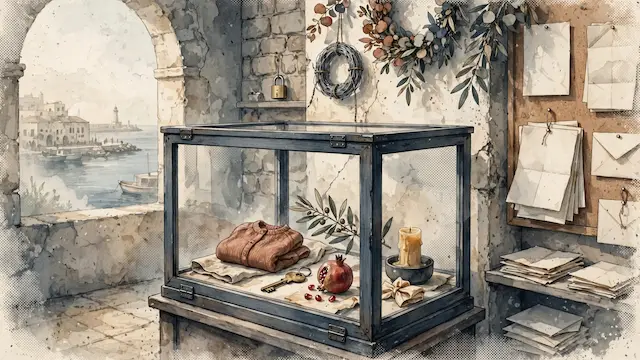
Hundreds of bereaved families, hostage families, former captives, and survivors of the October 7 massacre gathered for the opening of the 'Space That Remains' exhibition at the Peres Center for Peace and Innovation in Jaffa. The exhibition showcases personal belongings of those killed and murdered in the massacre. The event, held on the eve of Simchat Torah, exactly three years after the holiday that became a symbol of October 7, marked the start of the October 7 week of events organized by the 'October Council,' a group of bereaved families calling for an investigation into the failures that led to the massacre.
During the main address, the October Council revealed information gathered from dozens of meetings and hundreds of hours of conversations with individuals who were in decision-making rooms prior to October 7. This information, presented as evidence and questions requiring examination by a state commission of inquiry, includes warnings from various sources about the impending danger. The council announced plans to gradually release more information, including documents and testimonies, to the media and on social networks.
Ofri Bivas Levi, whose brother and niece and nephews were among the hostages, stated, "Three years and we are still waiting for the contract between the state and its citizens to be renewed, a contract based on truth and security, justice and values." She emphasized the need for the state to acknowledge its failures, investigate them, and take responsibility. She also directly addressed her deceased family members, expressing her longing and urging the public to remember the victims and protect their own families, calling for a vote on October 27 to establish a state commission of inquiry.
Hostage survivor Sagi Dekel Chen shared his ongoing struggles, describing how simple things like seeing a redhead or reading a book now trigger anxiety, a stark reminder of the trauma he endured. Reut Rechut Edri, mother of a fallen soldier, asserted, "Three years after October 7, we know one thing with certainty: we can argue about responsibility, interpretation, and politics, but we must no longer argue about our right to know the truth."
Other speakers, including Sharon Ashael, mother of a fallen lookout, and Amit Idan, brother of a fallen photographer, echoed the call for truth and accountability. Shlomo Sharf, grandfather of a victim from the Nova music festival, questioned how society reached such a horrific moment and stressed the need to learn lessons for a better future. The exhibition itself features personal items of the October 7 victims, alongside artistic installations, including ceramic stars for the murdered children and a 'sticker serenade' incorporating family memorial phrases.
The event was attended by notable figures including former Prime Minister Naftali Bennett, MKs Gadi Eisenkot and Benny Gantz, and Opposition Leader Yair Lapid, among other public officials and Knesset members.
Read the original at DavarMentioned
The same event, reported separately by each outlet. Open a few to compare what different newsrooms emphasize — and what they leave out.


Not the same event — other stories that share this one’s people, places, or theme: background, reactions, and follow-ups.