
Turkey Poised to Increase Influence in Iraq Post-US Withdrawal
Translated & summarized from Maariv by baba
The story in 5 lines · by baba
- Turkey may increase its influence in Iraq following the US military withdrawal.
- Iran is also seeking to expand its influence and deter Kurdish groups in Iraq.
- Turkey has significant economic and energy ties with Iraqi Kurdistan.
- Iraqi Kurdistan seeks stronger ties with Turkey to counter Iranian influence.
- Both Iran and Turkey aim to curb Kurdish nationalism and prevent Israeli presence.
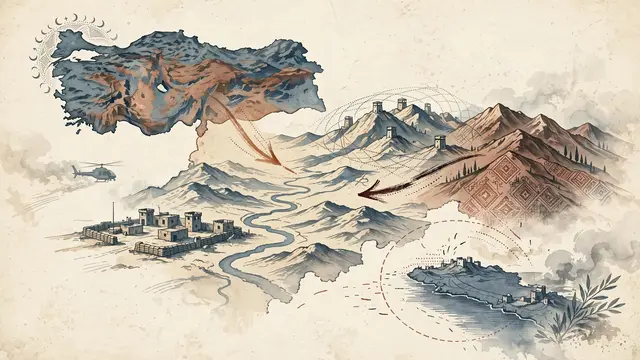
Following the withdrawal of American forces from Iraq, analysts are concerned about a potential power vacuum, with Iran seen as a likely beneficiary. However, Turkey may also emerge as a significant player in the region due to its economic and security ties with Iraqi Kurds. This comes as Iran has intensified its efforts to deter Iranian Kurdish groups from using Iraqi territory for operations against Tehran, recently using drones to attack a camp in Erbil.
Historically, Iran and Iraqi Kurdistan had a complex relationship. Before 2003, they cooperated, but the fall of Saddam Hussein altered the dynamic. Iran no longer needed to cooperate against a common enemy, and while Baghdad's new government was US-allied, it was friendly to Tehran. However, Baghdad's weakness in controlling Iraqi Kurdistan led Iran to seek to restrain the Kurds, particularly due to their ties with the US and their growing autonomy. Iran is especially wary of Kurdistan's independent political and economic ties with regional states, including Israel, fearing the spread of Kurdish nationalism within its own borders.
Turkey presents a different scenario. Ankara maintains significant economic ties with Iraqi Kurdistan, which is a major export market for Turkey. Energy cooperation is also crucial, with Turkey importing a substantial portion of its oil from the region until a dispute halted supplies in 2023, which have since resumed. Turkey also has an interest in ensuring all parties within the Kurdistan Regional Government (KRG) oppose the PKK. Unlike Iran's perceived interference, Turkey's relationship with the KRG is seen as more collaborative.
Consequently, Erbil may strengthen its ties with Turkey to fill the void left by the US and keep Iran at bay. While a covert operation with Israel could provoke Iranian retaliation against Kurdistan, a partnership with Turkey might be more palatable to Tehran. Both Iran and Turkey share common goals in Iraqi Kurdistan: preventing Kurdish militancy, curbing Kurdish nationalism, and blocking Israeli influence that could destabilize the region. Therefore, as US troops depart, Turkey's influence in Iraq could grow, potentially with tacit approval from Iran.
Read the original at MaarivMentioned
The same event, reported separately by each outlet. Open a few to compare what different newsrooms emphasize — and what they leave out.

Not the same event — other stories that share this one’s people, places, or theme: background, reactions, and follow-ups.