
Balad Chairman Withdraws Knesset Candidacy After Supreme Court Indication
Translated & summarized from Channel 13 by baba
The story in 5 lines · by baba
- Sami Abu Shehadeh withdrew his Knesset candidacy after the Supreme Court signaled a disqualification majority.
- Balad stated Abu Shehadeh will continue to lead the party.
- The withdrawal followed controversy over an article Abu Shehadeh wrote after October 7th.
- Itamar Ben-Gvir celebrated the withdrawal but criticized the lack of a court ruling.
- Abu Shehadeh expressed regret for his article and denied supporting violence.
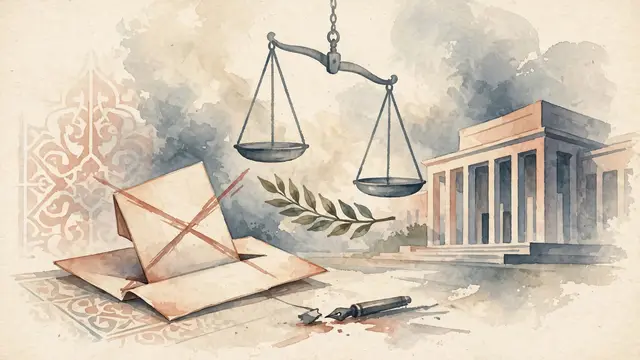
Sami Abu Shehadeh, the chairman of the Balad party, announced late Thursday night that he is withdrawing his candidacy for the Knesset. The decision came after Supreme Court justices indicated a majority favored disqualifying him. Balad stated that Abu Shehadeh will continue to lead the party, calling the move "a new stage" in their ongoing political activity.
The party's central committee and political bureau convened for a joint session, where the decision was made after extensive deliberation and in full coordination with Abu Shehadeh. Balad emphasized that the move was made out of political responsibility and not as a retreat from the party's positions or a surrender to what they described as a campaign of incitement led by the right, specifically mentioning Itamar Ben-Gvir.
Balad detailed their legal and political struggle, noting they refused to withdraw before the confrontation, challenged the Central Elections Committee's decision, and fought until the Supreme Court president signaled that a majority leaned towards disqualification. They stressed that Abu Shehadeh did not retract his views or abandon the fight, but rather made the decision only after the court signaled its intention to disqualify him.
Minister Itamar Ben-Gvir, whose Otzma Yehudit party initiated the disqualification request, expressed satisfaction with Abu Shehadeh's withdrawal, citing his writings and support for Hamas after the October 7th attacks. However, Ben-Gvir lamented that the Supreme Court allowed him to withdraw without a definitive ruling on the disqualification itself, vowing to continue fighting against "terror supporters and Israel haters."
Supreme Court discussions focused on an article Abu Shehadeh published the day after the October 7th massacre. Justice Daphne Barak-Erez called the article "appalling" while questioning how disqualification aligns with fundamental rights. Justice Ofer Groskopf pondered whether a single statement, however severe, warrants disqualification. The Attorney General's representative, Yonatan Berman, argued that while not every misstep leads to disqualification, the context of October 7th was exceptional. Abu Shehadeh stated he never called for violence, grew up in Jaffa and Lod, and knows victims of October 7th. He expressed regret for the article, stating he did not understand the full extent of the atrocities at the time and would not agree with or support atrocities like rape. When asked if he had ever written that Hamas is a terrorist organization, he replied that it was not his language.
Yousef Jabareen, chairman of Hadash and the Joint List, declared it a "black day for all who believe in democracy" and accused the right-wing government of completing a "legal revolution." He stated that Arab citizens and democratic Jewish forces would respond on October 27th, vowing to work to remove those who sought to disqualify them from political participation.
Read the original at Channel 13Mentioned
The same event, reported separately by each outlet. Open a few to compare what different newsrooms emphasize — and what they leave out.














Not the same event — other stories that share this one’s people, places, or theme: background, reactions, and follow-ups.
