Israel's Security Readiness Questioned After Unforeseen Plane Hijacking Attempt
Translated & summarized from Cursorinfo by baba
The story in 6 lines · by baba
- An attempted hijacking of a Tel Aviv-bound flight occurred without prior intelligence warning.
- The incident highlights potential gaps in Israel's security threat assessments.
- Iran remains a primary focus for Israeli security, though an immediate attack is unlikely.
- Hamas has a specific warning for a soldier abduction attempt in Gaza.
- Judea and Samaria face heightened tensions and increased IDF presence.
- Effective warnings must be specific and lead to timely, concrete actions.
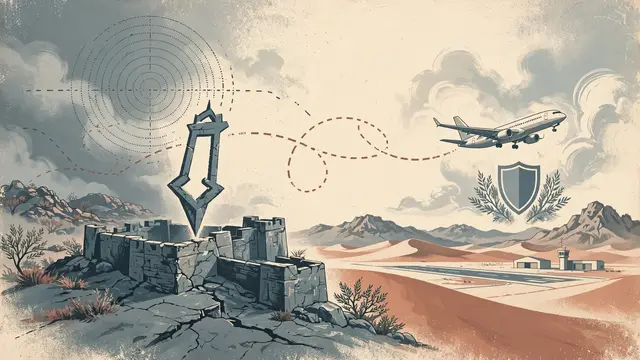
A Flydubai flight to Tel Aviv carrying 174 passengers faced a hijacking attempt and a pilot injury, with no prior intelligence warning. The passengers were ultimately saved by the injured captain, four Israeli passengers who intervened, and other pilots who managed to land the plane in Saudi Arabia. This incident, which concluded without casualties, highlights a perceived gap in Israel's security assessment, particularly concerning "warnings." The article, written by Yossi Yehoshua for ynet, notes that Israel's security system continues to update threat assessments regarding Hamas, Iran, and regional instability, yet a passenger plane hijacking scenario was not anticipated.
The author argues that while it's impossible to predict every potential event, the lack of this scenario in the assessment warrants examination. U.S. President Donald Trump suggested Iran might be linked to the incident, which, if confirmed, would significantly alter the understanding of the event. The Israeli military (IDF) also faces challenges in keeping its threat assessments current, as the situation in the Middle East can change rapidly during the planning and approval process.
Currently, Iran is a primary focus due to its capabilities and regional influence. While there is no specific intelligence indicating an imminent Iranian missile strike, the U.S. pressure on Iran may force Tehran into a difficult choice between an unfavorable deal and renewed confrontation. This could lead to scenarios of preemptive strikes or Iran attempting to preempt an Israeli attack, though an immediate Iranian attack is currently deemed unlikely.
The IDF is preparing for potential short-notice hostilities, with the Israeli Air Force on high alert. The military is also aware that various actors might exploit perceived Israeli restraint. In Gaza, there is a specific warning of a Hamas intention to abduct a soldier near the "yellow line," leading to heightened readiness for two divisions operating in the area. The author observed that preventing such an abduction is challenging due to the terrain and potential unknown tunnels.
On the Lebanese border, Hezbollah is assessed as being restrained due to insufficient Iranian support, while attempting to rebuild its capabilities, which the IDF continues to counter. The situation in Judea and Samaria is more tense, with the IDF deploying an additional divisional command to enhance control. This region lacks a continuous protective barrier, and rising tensions, nationalistic crimes, and potential elections in Israel, the U.S., and the Palestinian Authority could fuel destabilization attempts. The Central Command maintains a significant force of 26 battalions in the area.
The article concludes that threat assessments are not predictions but constantly evolving pictures. Effective warnings should be specific, detailing when, where, and how an event might occur, enabling practical actions like troop movements or enhanced security. The key lesson from October 7th, the author emphasizes, is not just receiving a warning but understanding it correctly and translating it into timely, concrete action. The system must also be prepared for the "what if" scenarios, ensuring sufficient tools and readiness to respond if a threat materializes.
Read the original at CursorinfoMentioned
The same event, reported separately by each outlet. Open a few to compare what different newsrooms emphasize — and what they leave out.


Not the same event — other stories that share this one’s people, places, or theme: background, reactions, and follow-ups.