
Police Detain 15 at Pro-Palestinian Rally in Haifa
Translated & summarized from Channel 9 by baba
The story in 5 lines · by baba
- Fifteen protesters were arrested in Haifa for alleged threats to public order.
- Demonstrators displayed Palestinian flags and chanted slogans.
- Police cited concerns over potential road blockages and safety.
- A large pro-Palestinian rally in Germany featured special buses.
- The German rally's slogans included calls for freedom for Palestine and Lebanon.
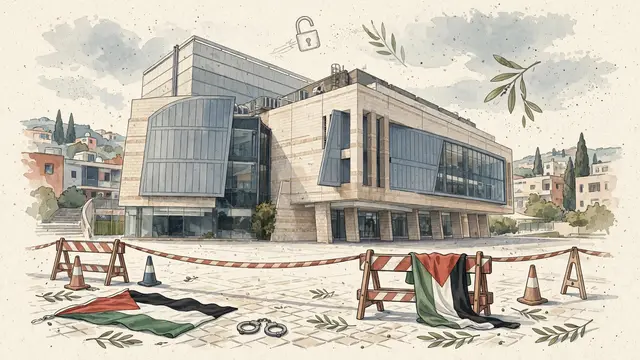
On the evening of October 1st, police in Haifa's Carmel district arrested 15 individuals participating in a protest near the "Beit HaGafen" center in the German Colony. The demonstrators, who carried Palestinian flags and chanted slogans, were detained because police believed their actions could threaten public welfare and order. According to a police statement, concerns were raised prior to the event about potential road blockages and risks to drivers. Police reported that the protesters held flags and a banner with an Arabic slogan, and shouted calls that, in the police's view, could disrupt public order. The Israeli police stated their commitment to the right to protest as a fundamental democratic principle, allowing demonstrations that comply with the law. However, they affirmed they would intervene when there are genuine concerns about public order or safety violations. The article also mentions a recent large pro-Palestinian demonstration in Dusseldorf, Germany, titled "We Don't Forget Gaza," which reportedly drew 5,000 participants. Slogans included "Freedom for Palestine," "Freedom for Lebanon," and "Hands off Iran" and "Hands off Yemen." The event gained attention in German media and social networks due to organizers chartering special "Intifada-Buses" from Berlin and other cities for activists, with a reported travel cost of 35 euros including meals, and specific arrangements for gender segregation.
Read the original at Channel 9The same event, reported separately by each outlet. Open a few to compare what different newsrooms emphasize — and what they leave out.





Not the same event — other stories that share this one’s people, places, or theme: background, reactions, and follow-ups.
