Microsoft Report: Israel Second Globally in Cyberattacks
Translated & summarized from Ice by baba
The story in 5 lines · by baba
- Israel ranks second globally in cyberattack frequency, according to a Microsoft report.
- Ransomware attacks on Israel have increased 21% and are used for hybrid warfare.
- Academic and research institutions are the primary targets for cyberattacks.
- Password Spray attacks are the main method for initial cloud intrusions.
- Supply chain vulnerabilities pose significant risks to multiple organizations.
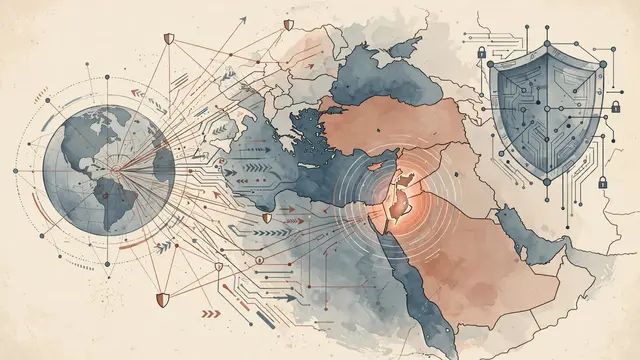
A new annual digital defense report from Microsoft reveals that Israel ranks second worldwide in the frequency of cyberattacks, accounting for 7.6% of global activity, and first in the Middle East. The report noted a significant increase of 21% in ransomware attacks targeting Israel, which are increasingly used for hybrid warfare aimed at operational disruption and economic damage, not just financial extortion. Academic and research institutions are the primary targets, making up 28% of all incidents, followed by IT (12%), transportation (11%), and government bodies and research institutes (8% each). These institutions are targeted for access to valuable technological and research information, while attacks on IT firms can serve as a gateway to numerous other organizations.
The report highlights identity management as a major vulnerability, with over 99% of initial cloud intrusion attempts occurring through Password Spray attacks. This method involves using common passwords against numerous accounts simultaneously to bypass lockout mechanisms, underscoring that traditional defenses against malware are insufficient if attackers obtain valid credentials. Recommended countermeasures include strong multi-factor authentication beyond SMS, Zero Trust principles, and enhanced monitoring and response times.
Supply chain risks are also a significant concern, as attackers can compromise service providers or software platforms with access to multiple organizations, creating a domino effect. Digital resilience is defined not just by preventing attacks but also by maintaining operations during incidents and recovering quickly.
Kardi added that Israel's ability to maintain operational continuity amidst such threats is a result of an integrated national defense system involving various government bodies, the economy, the cyber industry, and global companies. He described the cyber arena as a 24/7 battle with no ceasefire, where absolute resilience is unattainable. The increasing use of artificial intelligence is accelerating and expanding the scope of attacks, transforming the nature of the conflict. Kardi concluded that cyber victories are often silent, measured by thwarted attacks, averted damage, and sustained normalcy.
Read the original at IceMentioned