
Israel Scrambles Jets, Prepares Rescue Amid Flydubai Scare
Translated & summarized from Ynet by baba
The story in 5 lines · by baba
- Israel scrambled jets and prepared rescue operations for a Flydubai flight after a distress signal.
- Initial fears of a hijacking quickly shifted to an alleged cockpit altercation.
- The flight diverted to Saudi Arabia, where passengers were safely returned via a commercial flight.
- The incident highlighted positive cooperation between Israel and Saudi Arabia.
- Security protocols for airline personnel and international flights are under review.
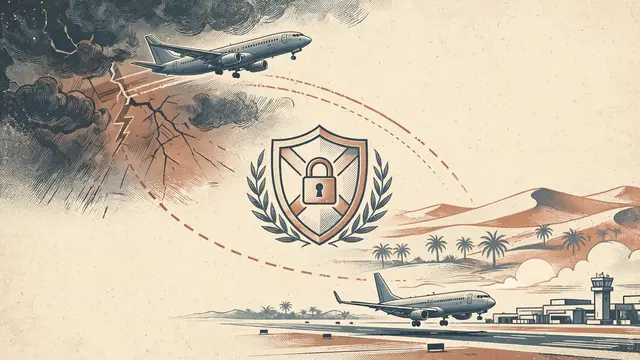
A single distress signal from a Flydubai flight carrying 174 passengers triggered a high-alert response within Israel's security system, initiating a complex and tense sequence of events. The automatic alert system connected to military command centers immediately raised readiness levels, initially fueling fears of a hijacking targeting Israel. As a precautionary measure, two Israeli Air Force fighter jets were scrambled to intercept and escort the aircraft, while civil defense forces and negotiation teams were put on standby for a potential landing in Israel.
However, the situation rapidly evolved within minutes. The flight, which had been heading towards Israel, abruptly turned back towards Saudi Arabia. Initial reports reaching the operations center suggested a violent altercation in the cockpit between the pilot and co-pilot, during which passengers and crew reportedly subdued the aggressor.
As the aircraft diverted to an emergency landing in Saudi Arabia, Israel's response strategy shifted. A second contingency plan, involving preparations for a complex hostage rescue operation in a foreign country, was activated. Israeli transport planes were readied for immediate deployment, and hostage rescue protocols were initiated.
Israeli defense officials confirmed that the flight landed in Saudi Arabia without a hijacking or hostages being taken. Three potential scenarios for the safe return of Israeli passengers were considered: a direct military extraction using Hercules transport planes, dispatching a dedicated civilian aircraft with military rescue teams, or utilizing a commercial Flydubai flight.
Ultimately, a decision was made to facilitate the passengers' return via the commercial flight, prioritizing speed and safety while avoiding potential diplomatic friction with Saudi Arabia. Security sources emphasized that all military options remained on standby and could have been executed if necessary. The cooperation with Saudi authorities during the tense hours was described as very positive by Israeli officials, highlighting significant behind-the-scenes willingness and action from both sides.
The incident prompted a review of operational procedures within the IDF to further refine responses to rapidly evolving situations. Questions remain regarding how an Omani pilot came to be flying Israeli passengers and why Israeli security agencies were unaware of his recruitment by a company operating extensively in Israel. The incident also raises concerns about potential terror infrastructures that could exploit similar methods against Israelis abroad, especially given that Israeli airlines have been restricted from landing in Dubai due to security concerns. This event is expected to lead to changes in the screening and vetting processes for pilots flying Israelis and in the relationship between airlines and Israeli security bodies.
Read the original at YnetThe same event, reported separately by each outlet. Open a few to compare what different newsrooms emphasize — and what they leave out.









Not the same event — other stories that share this one’s people, places, or theme: background, reactions, and follow-ups.


